Teenage Teeth: Seven Guidelines Parents Should Follow

 
Dental Care for teens


As children become more independent, parents often have less direct influence over their child’s oral care. The transition to adolescence means that schedules become more crowded and teens are left with more responsibility in caring for their own teeth.  Too often, this results in first-time cavities and missed opportunities to catch dental issues when they are just beginning and are easiest to treat.  Here are 6 guidelines to make certain your child’s dental care remains a priority through their teenage years.

1. Stock up on dental care supplies.

Teens aren’t likely buying dental supplies yet.  Keep an eye on the supply of toothbrushes, toothpaste and floss in the bathroom and make sure it’s well stocked.  Having the right tools goes a long way in making certain that adolescents keep brushing and flossing.  Plus, who doesn’t love a new toothbrush?

2. Keep your household purchases of sodas and sports drinks to a minimum.

You can’t always control what your teens purchase when they aren’t with you.  But you can make certain that your refrigerator and pantry aren’t well stocked with sugary drinks.  Keeping your own purchase of sodas to a minimum will mean that they are less available when your kids want to grab a quick drink.  And don’t assume that sports drinks are always the best alternative.  They often contain as much sugar as soda and water is generally a better choice.

3. Say “no” to oral piercings.

While not as common as they used to be, many teenagers still want tongue and lip piercings.  We strongly advise against allowing your child to have one, as piercings often cause chipped teeth and other oral issues. Further, your teen’s mouth is still growing and teeth are continuing to shift into place.  Having a foreign object constantly in your teen’s mouth is likely to complicate this natural process .

4. Say “yes” to mouthguards.

As your kids become more involved in sports, so does the chance that they might suffer a hit to the mouth.  More than 200,000 sports-related mouth and jaw injuries occur each year.  The “inconvenience” of wearing a mouthguard for protection can’t compare to the inconvenience (and cost ) of dealing with an accident.

5. Consider an orthodontic consultation.

If your child hasn’t already been a candidate for braces, now may be a good time to see if it’s necessary.  While kids (and adults) get braces at all ages, it’s certainly most common during the teenage years. We can guide you in the right direction and provide advice about your teen’s specific needs.  You may be surprised at the number of options that are now available.

6. Keep an eye on good dental habits.

While your teens are becoming independent, they may still need a reminder to brush and floss regularly. There’s usually no need to constantly remind them or push too hard.  A quick, “Did you brush your teeth?” is often all it takes to keep them on track especially if you started the habits of good oral hygiene when they were younger.

6. Don’t neglect regular checkups.

It can be easy to miss scheduled dental visits with the pace of raising a teenager.  Continue to make regular dental visits a priority and remember that even though adolescents have bigger bodies than they used to, they are still kids.  You’ll need to partner with them in making sure that dental appointments are kept.  Help your teens transition into adulthood knowing that dental care is a priority.

6 Steps to a Cavity-Free Childhood

Steps to a cavity free childhood
 

Did you know that the most common chronic disease of children and teens is tooth decay?  Even worse, the CDC reports that nearly 20% of children’s cavities are left untreated.  What may be even more surprising is that nearly all cavities are 100% preventable.  In fact, simply by following these 6 steps, you could help your child enter adulthood without suffering from even a single cavity.

Find a dental home by age one.

The American Academy of Pediatric Dentists recommends finding a dental home at the emergence of the first tooth or by age one, whichever comes first.  Unfortunately, we see many children whose first visit to the dentist is scheduled because a problem already exists.  Establishing a dental home will help you and your child develop a close relationship with the dentist and begin a pattern of regular visits.

Take advantage of sealants or composite fillings.

Sealants are the most effective, yet most underutilized method of preventing cavities.  Dental sealants involve a temporary, thin plastic coating that is “painted” on the chewing surfaces of teeth which creates a barrier where food often gets trapped.  Composite fillings are sometimes used as an alternative to sealants, but in the same way by filling deep crevices.  The relatively low cost of sealants makes them an obvious choice when compared with the discomfort and higher costs of treating a cavity.

Never put your infant to bed with anything other than water.

Baby bottle tooth decay is pervasive and occurs when liquids such as juice or milk are allowed to coat an infant’s teeth for extended periods of time.  This happens most often during naps or bed time as many children are allowed to fall asleep with a bottle and the natural flow of saliva decreases.  If your child falls asleep with a bottle, be sure that it’s only with water.  Even though baby teeth are temporary, their good health is essential to the proper formation and alignment of emerging adult teeth coming in behind them.

Limit foods that tend to stick to teeth.

Sticky candies like caramel and taffy often stay around for a long time after kids eat them.  But candy isn’t the only food which needs to be limited.  Crackers, potato chips and other starchy foods also tend to get stuck in the nooks and crannies of tooth surfaces.  Without proper brushing, these foods provide sugar to bacteria that feed on it and multiply and attack enamel.  For this reason, these foods should be limited and occasional.  Regular brushing and flossing is essential when these foods are consumed.

Begin good dental habits early.

Oral care can begin even before teeth appear.  Using a soft cloth to clean your baby’s gums can limit bacteria and protect emerging teeth.  Small children should get help with brushing.

Model good dental habits.

One of the most effective ways you can ensure that your children stay cavity free is by modeling good dental habits in front of them.  Do they see you brush?  Are you flossing daily?  Modeling good behaviors will teach your children first hand that you value your own oral health and theirs.

The Truth About Sports Drinks

sports drinks and teeth
Kids and teens love sports drinks.  In fact, studies have shown that these “thirst quenchers” are consumed by 62% of adolescents every day.  But are they good for your child’s body or teeth? And are they truly necessary for sports performance?  Here are a few facts:

Sports drinks contain more sugar than you may realize.

After water, the second ingredient in some popular brands of sports drinks is high fructose corn syrup. Some sports drinks contain as much as 19 grams of added sugar which means that bacteria present in your child’s mouth are being given exactly what they need to grow.

The high acidity of sports drinks can damage tooth enamel.

A 2012 study showed that sports drinks often have high acidity.  This acid interferes with the mouth’s ability to regulate a healthy pH and can lead to the wearing away of enamel.  While tooth enamel is literally the hardest substance in the human body, it’s no match for a steady stream of acid.

Sports drinks are full of salt.

Some sports drinks contain up to 200 milligrams of sodium per serving.  Keep in mind that a “serving” is usually 8 ounces, which means that a large bottle of the leading sports drink can have more sodium than a bag of potato chips.

Sports drinks can be high in calories.

Even though they generally contain fewer calories than soda, sports drinks can still be high in calories due to their serving sizes and the large amount that many kids drink.  Sports drinks make up 10-15% of the daily caloric intake of most teens and aside from their intended purpose, these beverages aren’t always consumed in conjunction with sports.

Sports drinks are best suited for intense physical activity.

If your child is participating in an intense game with constant movement and an elevated heart rate, a small serving of sports drinks may come in handy from time to time.  But most youth sports don’t involve that level of activity.  Fluoridated water is almost always a better choice.

The bottom line is that most kids don’t really need sports drinks.  Consuming what amounts to sugar water simply isn’t necessary for the majority of sports or outdoor activities.  We encourage you to read labels and be aware of everything your child drinks.  Keep your child hydrated and make certain that you child is drinking plenty of water.


Infant Oral Care: How Early is Too Early to Begin?

when should i start brushing
Establishing a healthy starting point for your child’s oral care start earlier than you may realize.  It’s amazing how quickly time passes and how fast children grow up.  We’ve put together a few guidelines to encourage you to make good dental habits a priority and to begin caring for your child’s teeth as soon as possible.

Start before teeth arrive.

First teeth generally appear around 6 months. (Don’t worry if your child is sooner or later than this.  All children are different.) Gently wiping the inside of your baby’s mouth with a soft cloth after meals or during bath time will help to reduce bacteria and give emerging teeth a great start.  It will also get you in the habit of caring for your child’s teeth until they are ready to take over themselves.

Begin brushing as soon as the first tooth appears.

Once the first tooth emerges, it’s time to begin brushing.  We recommend a tiny smear of toothpaste on a toothbrush that’s specifically designed for infants.  These usually have small brush heads and a special shape or handle that fits easily in your hand.  Stick to brushing twice a day and be sure to brush both the inside and outside of each tooth surface.  Flossing shouldn’t be a concern until tooth surfaces touch.

Establish a dental home early.

We encourage you to make the first visit to our practice more of a “meet and greet”.  We can give you and your child a mini-tour, and introduce you to our team.  It is our belief that a comfortable, caring environment is essential for a lifetime of healthy smiles.  We would love to see your child when their first tooth arrives or by age one.

Keep a routine for the whole family.

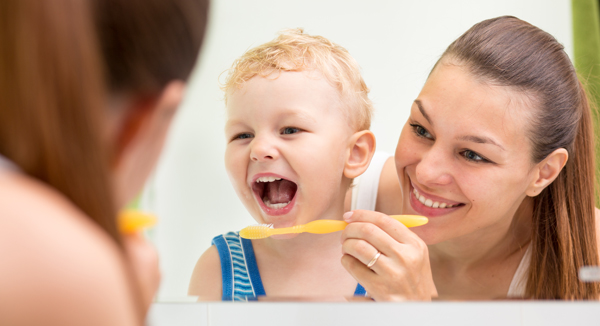
Children imitate what they see their parents do.  Chances are, if caring for your own teeth is a priority then you will pass those health habits along to your children.  Try making brushing and flossing something that everyone in your family does as part of your regular routine.

If you haven’t been following these guidelines, it’s not too late to start!  The best time to begin a lifetime of great dental habits is today.  We encourage you to share this blog post with your friends and family who have young children or may be expecting.  And don’t forget to call us if it’s time for a check-up!

Top 6 Tooth Myths Busted

tooth myths bustedThere’s a lot of misinformation about dental care. While many of the myths are harmless, believing in some of them may actually cause you to neglect or damage your teeth. It’s important to get correct information and find out what’s true and what’s false. Here are the top 6 tooth myths we love busting.

#1 Baby teeth aren’t important.

A lot of people believe that baby teeth are less important than permanent teeth because they are just going to “fall out anyway”. But baby teeth serve a very important purpose as place-holders in growing mouths during early years of development. They help maintain the proper structure of the mouth in providing a guide for permanent teeth to move in behind them when the time comes. Plus, cavities in baby teeth still cause pain and discomfort which often leads to missed school and poor overall health.

#2 You should brush immediately after eating.

You may be surprised to learn that brushing immediately after a meal may actually harm your teeth. Acids created by food can wear away your protective enamel leaving your teeth at their weakest state right after you eat. Your body uses saliva to correct the high acid levels in your mouth. Saliva also naturally washes away food particles and gives your enamel the balance it needs to continue its protective work.

Even soft-bristled toothbrushes can be highly abrasive when enamel is already weakened by high acid levels. It’s best to let saliva do its job after you eat. But don’t forget to brush altogether. Simply wait at least an hour for your mouth to recover from the acid assault. And don’t forget to brush at least two times a day and for two minutes each time.

#3 Cavity-prone teeth are inherited.

Many people assume that just because their parents had few cavities, that they will also have few cavities. Conversely, people too often use genetics as an “excuse” for poor dental care by blaming cavities on family history.

While there is a small genetic influence in determining susceptibility to tooth decay, the fact remains that most cavities are 100% preventable. Babies and young children, for example, often develop cavities as a result of bacteria transferred through the sharing of eating utensils or parents cleaning off pacifiers in their own mouths.

#4 Candy is the worst food for your teeth.

It may be a shocker, but starchy foods like potato chips and crackers can actually be worse for your teeth than candy. That’s because these foods have a high sugar content and they often become stuck to your teeth. While some candies dissolve quickly in the mouth and are washed away by water or saliva, crackers often hang around in the mouth a lot longer.

#5 Chewing gum after a meal is just as good as brushing.

While chewing sugar-free gum after a meal can be better than not doing anything, it’s certainly no substitute for brushing or flossing. Gum that contains the natural sugar substitute xylitol has actually been shown to prevent tooth decay. But brushing and flossing for at least two minutes, twice a day, is the only way to truly clean your teeth and reach the tight spots between them.

#6 Brushing or flossing is bad for bleeding gums.

It’s too often assumed that when brushing or flossing causes bleeding gums, that those activities should be avoided. In fact, the opposite is true. Gums generally bleed because they become inflamed due to food particles trapped between the teeth and gums. A buildup of plaque irritates sensitive gum tissue. Brushing and flossing should always be performed gently, using a soft bristled brush. However, bleeding gums should never be considered “normal”. If you or your child has gums that bleed regularly, they should be examined.

Smoothies that are Great for your Teeth!

 
Tooth Healthy Smoothies

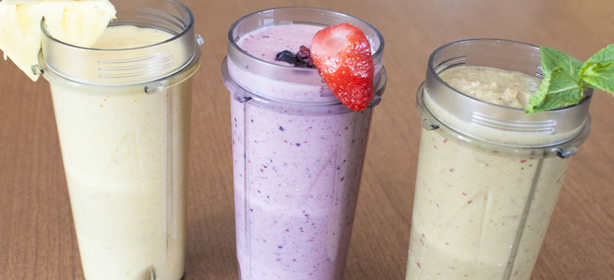
Do you love smoothies? Here are three great tasting and tooth friendly smoothies you and your family will love. Each one uses fresh, basic ingredients is easy to make and provides approximately 4, 8oz. servings. If you try one, we would love to hear your thoughts.

The Super Bright Smile Smoothie


Bright Smile Smoothie


This smoothie will not only make you smile because it tastes great, but it will also give your entire mouth a healthy boost. The apples in this recipe contain as much fiber as a whole serving of bran cereal. Apples are also mildly acidic, so they act as an astringent by gently killing bacteria and whitening teeth.
Avocados are also great for your smile, containing an average of 18mg of calcium ensuring that your teeth stay strong. They’re also packed with vitamin B6, another essential nutrient for good oral health.
The mint leaves aren’t there just for good looks! They’re natural breath fresheners and have been shown to whiten teeth as well.

3 Apples
2 Kiwis
1 Avocado
1 Orange
3 Mint Leaves

The Healthy Gums Smoothie


Healthy Gum Smoothie


This smoothie is great for maintaining healthy gum tissues because of the high levels of Vitamin C found in the kiwi and mixed berries. Kiwis contain more vitamin C than any other fruit for their size, including the Vitamin C packed orange. But just in case, we’ve added an orange to this recipe as well! Research has shown that high levels of vitamin C is essential for healthy gums and helps to fight off periodontal disease.
The creamy consistency of this smoothie comes from the addition of Greek yogurt, which is itself a dental super food. A Japanese study of 1,000 adults revealed that the healthiest gums were found in those that consumed the most yogurt. Yogurt has also been shown to strengthen teeth and fight bad breath.

1 Kiwi
1 Banana
½ Cup Frozen Berries
1 Cup Strawberries
½ Cup Orange
8 oz. Greek Yogurt

The Tooth Strengthening Smoothie


Tooth Strengthening Smoothie


Like the previous smoothie, this great tasting snack contains a huge amount of Vitamin C. But the real tooth strengthening benefits come from manganese, which is found in high quantities in pineapple. Manganese is a trace element that helps to build strong bones. One serving of this smoothie gives you a full daily supply of recommended manganese.
There is one important item to note, however. The high acid level of pineapple along with the sweetness of added honey means that you shouldn’t neglect your regular brushing routine just because the nutrients in this smoothie are good for your teeth. Of course, you’re careful to brush twice a day for at least two minutes, right?

2/3 of 1 Whole Pineapple
1 ½ Tbs. Honey
1 Peach
½ Cup Frozen Pineapple/ Mango
1 Banana
1 Orange

5 Crazy Things We Do to Our Teeth!

Crazy things we do to our teeth
 

Kids and adults do some crazy things to their teeth! Avoiding our list of the top five is a great way to save yourself from future tooth trouble.

1. Using your teeth as tools.


Using your teeth as tools


Your teeth are not bottle openers, package rippers, string cutters or any of the number of other crazy tools they get used for. Broken teeth can result in repairs that never end up being as strong as the original tooth. Grabbing a bottle opener, pliers or pair of scissors may be less convenient than using your teeth, but the effort saved isn’t worth an emergency trip to the dentist.

2. Chewing on ice.


Chewing on ice


Tooth enamel is the hardest substance in the human body. Its job is to protect the softer tissues below the surface of your teeth. But as tough as your enamel is, it’s still no match for the abuse of chewing ice. Microscopic fractures, gum damage and even broken teeth are all the hazards of chewing ice. The next time you or your child wants something crunchy to chew on, try an apple instead.

3. Drinking tons of soft drinks.


soda and your teeth


Where does most of the sugar from a typical 2 year old child’s diet come from? Soft drinks. In fact, the average toddler gets more total sugar in his or her diet from soft drinks than with cookies, candy and ice cream combined! Sugar feeds the bacteria that eat away at the surface of our teeth making them more susceptible to cavities. What’s the best choice for your home? Fluoridated tap water.

4. Smoking.


cigarettes and teeth


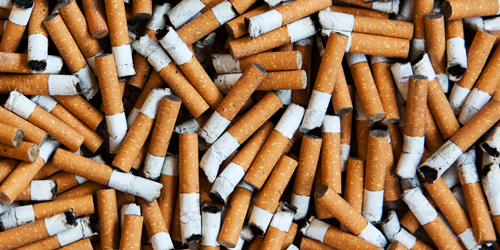
One of the craziest things people do to their teeth is smoking tobacco products. Smoking can cause discolored teeth, bad breath, an increase in plaque and tartar, increased risk of gum disease, delayed healing following dental surgery, inflamed salivary glands, oral cancer…and the list goes on. Plus, teenaged children of smokers are 15 times more likely to smoke themselves.

5. Never flossing.


flossing


According to the American Academy of Pediatric Dentistry, only 7% of children floss daily. That shouldn’t be surprising considering that 10% of adults in a recent survey admit to never flossing. This is in spite of the fact that flossing is one of the primary means of fighting tooth decay. Most cavities begin between the teeth, where a toothbrush simply cannot go. To ignore flossing is…well, crazy!

5 Bad Brushing Blunders: Tooth Brushing Mistakes to Avoid

Brushing mistakes
 

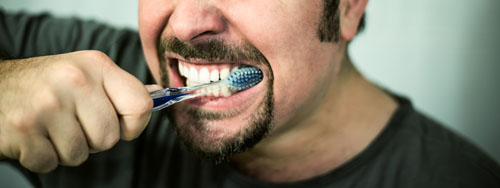
We all know how to brush our teeth, right? Unfortunately there are times when we may actually do more harm than good. Here are the five worst toothbrush blunders:


Brushing teeth too hard

1. Brushing too hard.

Brushing with too much force can damage sensitive gums and wear away the protective enamel of your teeth. Try to brush as lightly as possible and consider using a soft bristled brush. Most people should avoid bristles labeled as “hard”.


Storing your toothbrush

2. Not storing your toothbrush properly.

Ironically, one of the worst places to store your toothbrush is in the bathroom! It’s humid and full of germs. Avoid leaving your toothbrush where it will stay damp or come into contact with a lot of airborne bacteria. If you use a toothbrush cover, make certain that it allows your toothbrush to dry and consider one that has an antibacterial coating. One of the best places to store your toothbrush is upright in a closed cabinet.


Sharing your toothbrush

3. Sharing your toothbrush.

Even if you’re not sharing with Fido, you should avoid allowing other members of your family to share your toothbrush. Bacteria can be transferred from mouth to mouth leaving you more susceptible to illness and even cavities. Make sure everyone has their own toothbrush!


Replacing your toothbrush

4. Using an old toothbrush.

Many people continue using their toothbrush long after it’s time to replace it. As a general rule, your toothbrush should be replaced at least every 3-4 months especially if you notice that the bristles have become frayed. You should also consider tossing your old toothbrush in the trash after you have had the cold or flu.


Not brushing long enough

5. Not brushing long enough.

Many people don’t brush long enough. You should brush for at least two minutes, twice each day. Try using the timer on your phone to get an idea of how long two minutes truly is. Children can be encouraged to brush for the proper amount of time by using some of the tools found on the 2min2x website!

Are “Soft Teeth” a Myth?

Soft Teeth Myth
We often hear patients talk about how they or their children have “soft teeth”. We especially hear comments related to how “soft teeth” have been inherited from their parents or have been passed down to their children.

But is there really a condition that causes some people’s teeth to be more susceptible to cavities than others?

Yes…and no.

Most people who suffer from frequent dental caries (cavities) actually have perfectly normal teeth. Their enamel is just as developed and strong as the average person. Poor dental habits are usually the cause of most cavities and with very few exceptions nearly all cavities are 100% preventable. The actual number of people who would have what could actually be called “soft teeth” is quite low.

A condition called Amelogenesis Imperfecta can result in thin, improperly formed enamel. This enamel is often pitted, uneven and brown. Inner layers of teeth can become exposed to damaging acids from food and saliva which leaves these true “soft teeth” more open to cavities.

Babies and young children often develop cavities as a result of bacteria transferred through the sharing of eating utensils or parents cleaning off pacifiers in their own mouths. It’s important to avoid transferring bacteria from one mouth to another and to begin dental care early. A soft washcloth can be used on a baby’s toothless gums, for example, and the American Dental Association has long recommended a small “smear” of fluoridated toothpaste for children under two years of age.

Even though the condition is extremely rare, we can’t rule out “soft teeth” without an exam. But most cavities can be avoided by regular flossing and brushing for two minutes at least twice every day!

Can Chocolate Actually be Good for Your Teeth?

Is chocolate good for your teeth?
 

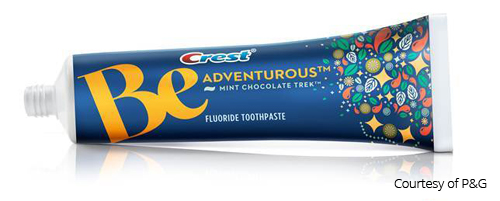
Whether we are giving chocolate to the ones we love or whether we just love chocolate, we also care about our teeth. And while candy generally doesn’t mix well with keeping teeth healthy, dark chocolate (the kind with at least 70% cocoa) can actually be a cavity fighter. That’s obviously good news for chocolate lovers. Crest’s new line of toothpaste has seized on the connection between chocolate and oral health by even including a chocolate flavor! Here are four reasons why chocolate is good for your teeth:

1. Chocolate is high in antioxidants.

Antioxidants are a group of molecules that keep your body healthy on a cellular level and chocolate contains a lot of them. In fact, dark chocolate can contain up to four times the level found in green tea. High amounts of antioxidants in saliva have been shown to fight periodontal disease.

Crest_Be_Images

2. Chocolate contains a high level of tannins.

Tannins are plant compounds that are found in many of the foods we eat. They’re also what give dark chocolate its slightly bitter taste and dark color. Tannins have been shown to help stop bacteria from sticking to teeth because their molecules bind to bacteria before plaque has time to form.

3. Chocolate is a good source of polyphenols.

Polyphenols are a class of naturally occurring chemicals that can limit oral bacteria. They are also able to neutralize the microorganisms that cause bad breath and prevent bacteria from turning sugar and starches into acid. Polyphenols have great promise for their apparent anticancer and anti-inflammatory effects as well as their ability to reduce hypertension and stroke.


chocolate and your teeth

4.Chocolate contains a flavonoid compound called epicatechin.

Flavonoids, a group of plant-based antioxidants, have been shown to slow tooth decay. Further, a recent study by researchers at the University of California showed that a particular falvonoid called epicatechin displays a remarkable ability to reduce cholesterol, blood clots and clogged arteries.

Remember, chocolate should be at least 70% cocoa for most of these benefits to your teeth and body. However, any food should be eaten in moderation, regardless of its health promises. And of course a chocolate bar is no excuse to skip brushing for at least two minutes twice a day.

Latest News from Children's Dental Specialties