Four Ways to Say “Thank You” to Your Teeth!

Thanks to your teeth
Your teeth are important!  Not only are they the first stage in eating and digestion, but a healthy set of teeth will keep you looking your best.  So perhaps it’s a idea good to say “Thank You” to your teeth for being so awesome.  Here are a few ways you can show your gratitude.

Hum to your teeth while you brush.

Yes, you read that correctly.  Listening to a song while you brush may help you brush your teeth better.  Most of us don’t brush long enough, so playing a song that lasts at least two minutes can help you brush for a longer period than you’re used to.  This is especially true with children.  The 2min2x.com website has great videos and songs that last exactly two minutes and are a great way to encourage longer brushing times.

Be gentle with your teeth.

Not only do most people not brush long enough, but they also brush too hard.  If your toothbrush shows signs of early wear and bending bristles, then it’s likely that you’re brushing too hard.  Be nice to your teeth and gums by brushing gently with a soft bristled toothbrush.

Give your teeth a drink of water.

One of the easiest, least expensive and most effective ways to care for your teeth is to drink more water.  Staying hydrated not only helps your overall health, but water can wash away food trapped in your teeth after meals, it can help balance the acidity of your mouth and reduce the amount of plaque-causing bacteria.  Additionally, because bad breath is often caused by having a dry mouth, drinking plenty of water can help your breath smell better too!

Take your teeth to the dentist.

How often should you and your child go to the dentist?  Even if you take excellent care of your teeth at home, a regular six month visit to the dentist will help you avoid potential problems and clean areas that are difficult or impossible to get yourself.  Preventative care is always the best way to say “Thanks!” to your teeth.

When Fruit is Bad for Your Teeth

Fruit bad for your teeth
 

With all of the junk food available to kids and adults, it’s hard to imagine that something as seemingly healthy as fruit could ever be bad for your teeth.  And certainly there are a lot of foods that are high in sugar that would be considered far worse for your overall oral health.  Still, there are times when fruit may not be the best choice.  Here are a few examples when you may want to skip the fruit:

When it’s dried.

Dried fruits have had most of their water removed and what’s left contains a much higher percentage of sugar than fresh fruits.  And because you tend to eat more dried fruit based on the volume, you will consume a much greater amount of sugar when compared to eating fresh fruit.  This doesn’t even take into account the added sugar that most packaged dried fruit contains.  Further, dried fruits like raisins and plums tend to be sticky and often stay stuck to teeth for a long time.  This provides bacteria plenty of what they need to grow.

When it’s canned with syrup.

Most canned fruits are packaged in a thick, high sugar syrup.  Even those labled “light syrup” contain large amounts of added sugar because that description can refer to the consistency of the syrup rather than sugar content.  When eating canned fruits, look for those that have no added sugar or those packed in 100% fruit juice.

When it’s juiced.

First, it’s important to understand that fruit juice can be very good for you when it’s part of a balanced diet.  However, juice can still harm teeth when too much is consumed too frquently.  This is because fruit that is juiced generally has much of the most nurtitious portions of the fruit removed.  When the pulp and fiber is taken away, what’s left is mostly water and sugar.  What’s more, fruit juices like orange juice is often highly acidic and can be tough on enamel over time.

As you can tell, fresh whole fruits are always the best option when eating fruit.  Whatever you eat, however, it’s important to remember that nearly all foods can be enjoyed in moderation.  Be sure to brush and floss regularly.


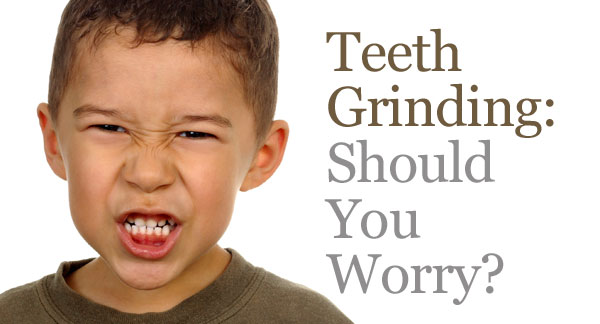
Should you worry about your child’s teeth grinding?

Teeth Grinding in kids, bruxism
Occasionally parents will reach out to us because they’ve been alarmed by the sounds their children make while sleeping.  It’s not uncommon for children to grind their teeth, especially during sleep.  In fact, some estimates put that number close to 33%.  Tooth grinding, or bruxism, is most common when baby teeth begin to emerge and permanent teeth come in.  And while it generally goes away, there are a few considerations you should be aware of.

What causes bruxism?

We aren’t always 100% sure why children grind their teeth.  Oral discomfort as teeth shift and realign may cause much of the temporary bruxism, as well as allergies and other minor illnesses.  Bruxism may also be caused by minor changes in inner ear pressure, similar to what’s experienced on an airplane. Ongoing teeth grinding may be more serious and can sometimes be the results of anxiety, stress or fear.  While most children stop grinding their teeth over time, it’s often important to look at your child’s overall health as well as the frequency and severity of tooth grinding to determine if intervention is necessary.

When should parents worry about bruxism?

Again, bruxism is extremely common, and most children grow out of the habit.  But as with any issue you are concerned with, please always feel free to reach out to us with your questions.  The following list of symptoms are signs that your child’s teeth grinding may require additional investigation:

  • If your child is having trouble sleeping or is waking frequently throughout the night
  • Jaw pain or soreness
  • Headaches
  • Tooth sensitivity or pain not associated with other dental issues
  • Teeth begin showing signs of wear
  • Damage to the soft tissues of the mouth
  • Loud, persistent grinding that doesn’t seem to subside over time

What can parents do to help alleviate minor bruxism?

If your child occasionally grinds his or her teeth at night, and isn’t showing any serious side effects like those mentioned above, you may try the following tips to reduce or eliminate bruxism without the intervention of a dentist:

  • Work to identify and decrease your child’s stress.  Allow your child to talk openly about his or her feelings.
  • Be sure your child is getting a proper diet
  • Since dehydration may be linked to bruxism, be sure your child is drinking enough water

Of course, you should always make us aware of any issue involving your child’s teeth.  We can help you monitor them for any potential issues.  Never hesitate to reach out to us with any questions or concerns you might have.

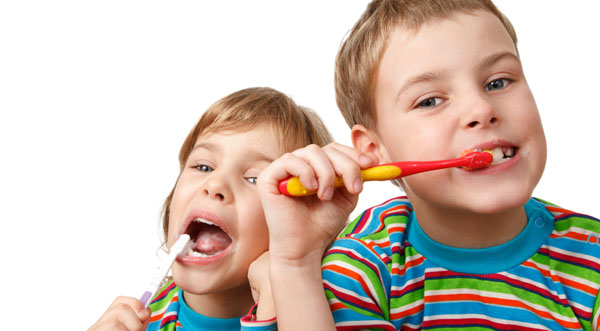
Make Brushing & Flossing Fun: 4 Ideas that Work.

Make Brushing Fun
If your family is anything like ours, bedtime is full of activities winding down one day and preparing for the next.  It can be a rush to make certain that homework gets finished, clothes are laid out for the morning, bedtime stories are told and everyone gets tucked in.  Too often, brushing and flossing can become an afterthought, especially when kids are less than excited about it to begin with.  Here are a few tips to make brushing and flossing fun (and regular) in your household:

Pick a fun toothbrush.

One of the easiest ways to make brushing fun is to indulge your kids with a themed toothbrush. You can find tooth brushing gear with everything from Sponge Bob to Finding Nemo and even comic book characters and superheroes. Always pick one with soft bristles and with a brush size that is appropriate for their mouth and age.   Giving your child an opportunity to choose her own toothbrush empowers her to be an active part of maintaining positive dental habits.

Use toothpaste made for kids.

There are a lot of flavored toothpastes  on the market that can help to make tooth brushing less “icky” for kids who don’t like the strong mint or cinnamon flavor of adult toothpastes.  This is another opportunity to involve your children by letting them choose their toothpaste flavor.  Of course, always make sure that toothpaste is approved by the ADA and carries the ADA seal.

Make brushing a family affair.

Make oral hygiene a family activity. Toddlers love to imitate their parent’s behavior.  The same instinct that leads your children to play dress-up in your closet will make them want to take care of their mouth just like you do. Practicing good oral hygiene together will also give you the chance to notice any issues that your children might have with their brushing technique. It’s important that they don’t brush too hard, and that they don’t miss tricky parts of the mouth like back molars, and under the gums.  Remember to help your child brush at least once a day until they develop the fine motor skills to do a good job on their own.

Use music, apps or video.

Music is also a great tool for any repetitive activity. Humming a favorite song together is a good way to ensure that your children are brushing their teeth long enough to thoroughly clean them. The American Academy of Pediatric Dentistry recommends that children brush their teeth twice a day, for two minutes per session, which can seem like an eternity for a restless child. Using music makes this time pass quicker and can even serve as a way to measure how long teeth are being brushed.  Oral care is a repetitive activity that benefits greatly from a little bit of music.

Ultimately, the goal is to make oral care fun.  Just because it is a habit, doesn’t mean it also has to be a chore.  We would love to hear your ideas about how you’re making brushing fun in your home!

Recognizing Gum Disease and Taking Early Action

Gum disease in children

Periodontal (gum) disease, affects as many as half of all Americans.  Gum disease can cause minor symptoms like inflamed or bleeding gums to an even more serious loss of soft tissue and bone.  If left untreated, gum disease may mean that teeth are lost or have to be removed.

What to look for.

If your gums or those of your child bleed from routine brushing and flossing you should understand that this is not normal.  Bleeding gums result from inflammation caused by bacteria hiding beneath the gum line.  Gums may appear red or swollen.  It’s important not to ignore these early signs of gum disease, called gingivitis.  Regular brushing and flossing is essential to avoiding or helping to correct the earliest signs of gum disease, but a scheduling a dental checkup is the best route to stop gum disease before it gets worse.

What is Periodontis?

When left unchecked, gingivitis can quickly become a more advanced gum disease known as “periodontis”.  When this occurs, small spaces begin to form around the tooth where plaque has hardened.  Not only can this mean a permanent loss of bone, but the toxins that eventually find their way into the rest of the body can have far reaching effects.  Recent studies have even highlighted the relationship between gum disease and heart disease.

Preventing & Treating Gum Disease

If you believe that you or your children may have any stage of gum disease, it’s important to take action.  Aside from maintaining a regular schedule of oral care, be sure to stay active with dental checkups every six months or sooner if there is a potential problem.  You should be aware of other risk factors which may play a role in significantly increasing the likelihood of gum disease.  These include smoking, diabetes, medications causing dry mouth and hormonal changes in young girls and women.

Have more questions?

As always, please feel free to reach out to us if you have concerns about your family’s oral health.  Give us a call or schedule an appointment today!


Being Prepared for Dental Emergencies

Dental EmergencyWhen a dental emergency occurs, it’s essential to get prompt treatment.  Of course, the first (and best) step is to have an established dental home.  Whether an injury happens on the playground, in school or at home, having a dental home and maintaining regular dental check-ups and cleanings is the first and best way to be prepared.  Not only will you have an existing relationship already established, but you will also have someone to call who can provide guidance, care and support.

Like all emergencies, dental emergencies appear out of nowhere and demand immediate attention. Knowing what to do when an emergency arises is key to having a positive outcome and preventing a bad situation from getting worse. Taking the right action, can mean the difference between saving or losing a tooth. Just as we spend time learning first aid procedures for bodily emergencies, making a special effort to focus on handling dental emergencies means that you are prepared to take care of any situation, no matter what.

According to the American Academy of Pediatric Dentistry (AAPD), here are a few best practices for the following scenarios:

  • If a baby tooth is knocked out – Contact the dentist ASAP.
  • If a permanent tooth is knocked out – Find and carefully rinse the tooth in cool water. Do not use soap or scrub the tooth. Simply rinse it in cool water. Replace the tooth in the socket, if possible, and hold it in place with a clean piece of gauze or a washcloth.  If putting the tooth back in the socket isn’t an option, place the tooth in a clean cup with milk, saliva, or water. Contact the dentist immediately.  Prompt treatment is required to potentially save the tooth.
  • If a tooth is chipped or damaged – Contact the dentist immediately. Find any tooth fragments. Rinse in cool water and place in a clean cup with milk, saliva, or water and take them with you to the dentist. Prompt treatment is critical for preventing infection and avoiding potential complications. If there is any injury to the mouth, treat with cold compresses to decrease swelling.

If tooth loss is the result of a more severe or complicated injury, call for emergency services to insure that proper care is given to the entire injury. Call the dentist en route to the hospital or immediately upon arrival.

An emergency situation is no time to try to come up with a plan of action. Instead, it’s best to be prepared well in advance of any unforeseen injuries. Maintaining regular six month check-ups can help lay the groundwork for handling potential emergency situations when you don’t have time to think about what to do next.

Your Kids Will Love These Tooth Friendly After-School Snacks

Tooth friendly after school snackThe time when your child’s school serves lunch to when your family eats dinner often means that little tummies need a snack to hold them over.  But snacking doesn’t have to be a health disaster.  In fact, it can be a great opportunity to provide much needed vitamins and minerals to fuel your child’s active schedule.  Below are a few quick ideas we’ve put together.  They’re adventurous and may be a little different from what your kids usually eat.  But these snack ideas are packed with vitamins and minerals for healthy teeth and we guarantee that each one is delicious!

Tooth friendly after school snack
Fruits, Veggies & Peanut Butter Dip

Snack sized fruits and veggies will disappear with this tasty and easy to make peanut butter dip.  We’ve added Greek yogurt which is a dental super food and cinnamon to give it a little added flavor.

¾ Cup Plain Greek Yogurt
½ Cup Natural Peanut Butter
½ Teaspoon Cinnamon

Assorted Fruits and Veggies

Tooth friendly after school snack
Watermelon Sandwich Wraps

These may require a small amount of prep, but getting your kids to help can be a terrific way to encourage them to try something they probably have never had. We got this recipe from the Watermelon.org website.  It may seem different, but trust us, it’s yummy!

Wraps – Whole wheat tortilla or pita bread.
Spread – Guacamole (for the more adventurous) or plain Greek yogurt
Meat (optional) – Any sandwich meats or slices.

And of course, watermelon, cut into ½ inch thick spears and as long as your wrap.

Tooth friendly after school snack
Baked Zucchini Slices with Parmesan Cheese

The tooth healthy parmesan cheese is what gives this healthy snack its zing.  Again, having kids help sprinkle on the cheese and lay out the slices will help choosier eaters try something new.

Simply slice zucchini in thin slices (no need to peel) and lay out on a cookie sheet.  Have your children sprinkle them with parmesan cheese on both sides.  Then, place in a 350 degree oven for 10 minutes on each side, or until brown.

Thumbsucking: Bad For Little Mouths?

Thumbsucking adviceNot all children suck their thumbs or fingers and for those that do, it’s not always problematic. For some children, however, the thumb sucking habit can be a hard one to break. This can have a negative impact on growing mouths and developing teeth, causing the front teeth to push forward over time. According the American Academy of Pediatric Dentistry, thumbsucking is generally not a concern until after the age of 4. By that time, most thumb and finger sucking habits have long since ceased.

If your child is a thumb or finger sucker past the age of 4, it’s important to understand why he/she is engaging in the behavior. The urge to root and suckle is an essential impulse for newborns, who depend on those instincts for food. As babies mature, some continue to find comfort through sucking behaviors and as they grow, that urge becomes more habitual than essential.

For some children, thumbsucking is an absent-minded habit not unlike fingernail biting, hair chewing or rolling a favorite blanket between the fingers. For those kids, giving gentle reminders when you observe the behavior can be enough to help them break the habit.

For others, the behavior can be an attempt to self-soothe when feeling anxious, scared or tired. For those children, the sucking behavior is more than simply a habit and changing the behavior should be handled carefully and conscientiously. It’s important to keep in mind that a child that is sucking on his/her fingers for comfort is not necessarily misbehaving, so be sure to offer encouragement and support instead of negative reinforcement.

If you think your child is sucking his/her fingers and thumb out of anxiety or when fearful, it’s important that you try to identify what is triggering that response. Once you know what those triggers are, you can move to reassure your child before, during and after those experiences. Perhaps offer small rewards or incentives that are aimed at stopping the behavior.

If you are concerned that your child’s prolonged thumb or finger sucking is causing dental issues that need attention, we encourage you to reach out for an evaluation. Be sure to ask for tips or advice on breaking or redirecting the thumb or finger sucking habit. Sometimes, a simple, friendly chat with the dentist is enough to convince an older child to break the habit completely.

Remember, we are your allies in keeping your child’s teeth healthy.

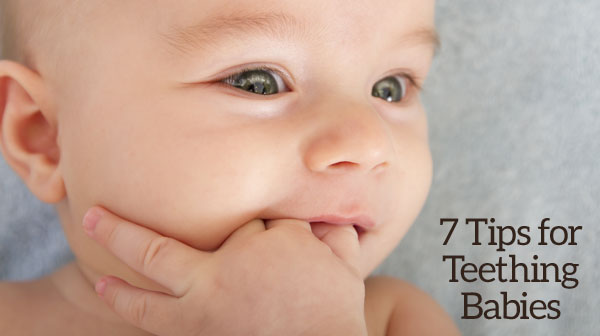
7 Tips for Teething Babies

Help for teething infantsTeething can be an uncomfortable time for babies, with little gums experiencing tenderness and swelling as emerging teeth break through the surface.  In light of a recent FDA warning against using lidocaine for teething infants, we wanted to put together a few helpful tips for managing this sometimes-difficult time for your child.

Massage sore gums.

Gently rubbing your baby’s tender gums with a clean finger or soft cloth can help alleviate some teething pain.  Applying slight pressure to the gums offers temporary relief from soreness and is one of the quickest and easiest ways to make your child more comfortable.

Find a teething ring that your baby loves.

We recommend sticking to teething rings that are made of solid rubber because those filled with liquid can sometimes break.  Experiment with different types or sizes until your baby shows you which one he or she clearly prefers.

Stay cool, but not frozen.

While it’s fairly common to give babies cold washcloths or teething rings that have been in the freezer, it’s best to use one that is simply cold.  Your baby’s gums are very sensitive and contact with frozen objects could actually harm them.  If you do use a frozen teething ring, you might consider giving it a few minutes to warm up or unthaw.

Consider cold foods.

If your baby is beginning to eat solid foods, you may try offering large chunks of vegetables for gnawing.  It’s important to always carefully watch your baby and remember that choking can occur easily, with babies being able to bite off small pieces.  A good solution is mesh feeders that allow children to taste foods without the fear of choking.

Keep a clean cloth nearby.

Teething often causes excessive drooling which can irritate your baby’s chin and neck if consistently left to dry. Instead, have a soft cloth handy to gently dab away saliva regularly.

Remember that teething isn’t sickness.

Teething is normal and natural that shouldn’t be accompanied by symptoms of illness outside of an occasional mild or low-grade temperature (under 101 degrees Fahrenheit or 38.3 degrees Celsius).  Your baby may be irritable or fussy during teething, but high fevers are caused by viral infections and not teething.  Contact your pediatrician if you sense your child may be getting ill.

Don’t forget to establish a Dental Home.

The American Academy of Pediatric Dentistry recommends establishing a dental home by age one or at the emergence of the first tooth, whichever comes first.  If your child is teething, and you have questions, please don’t hesitate to reach out to our office!

Four of the Best Tips to Encourage Kids to Brush

Getting Kids to Brush

Use music or video to keep kids brushing longer.

One of the biggest challenges to adequate brushing is getting kids to brush their teeth for a full two minutes.  The 2Min2X website is a great resource with several cartoons and music videos that last exactly two minutes.  Fun tools like this make it easier for parents to motivate their children and help kids to get excited about caring for their teeth.

Take advantage of positive reinforcement.

Sticker boards and progress charts are tried and true methods to motivate kids.  Choose a small prize that kids can work towards for reaching goals.  Even simple praise can go a long way in making kids enthusiastic about caring for their own teeth.

Pick out a toothbrush they love.

Something as simple as having a new toothbrush is a great way to motivate kids to brush their teeth.  Choose one with soft bristles that’s age appropriate.  If your child is able to brush on their own, be sure to choose one that fits smaller hands and has a head that is made for a smaller mouth.  Getting kids involved in choosing their own toothbrush will create even more excitement when it comes time to use them.

Choose toothpaste made for specifically for kids.

Toothpaste comes in a ton of new flavors these days.  From bubblegum and fruity flavors to chocolate flavored toothpaste, there’s something for everyone.  We’ve even seen bacon flavored toothpaste! Regular toothpaste is generally a version of mint, which children sometimes complain is too harsh or “spicy”. We recommend allowing your child to pick out a flavor. Of course, whatever flavor you choose, be sure to look for the American Dental Association’s Seal of Acceptance.

Stick to a routine.

Having a regular bed-time routine is a great way to reduce stress and make sure that everything “gets done” without having to ask, “Did you brush your teeth?” every night.  At first, you may want to make a list of before-bed tasks.  Before you know it, your new routine will become habit – hopefully one your children will keep for life.

Latest News from Children's Dental Specialties