Your Infant’s Teeth: When Should Care Begin?

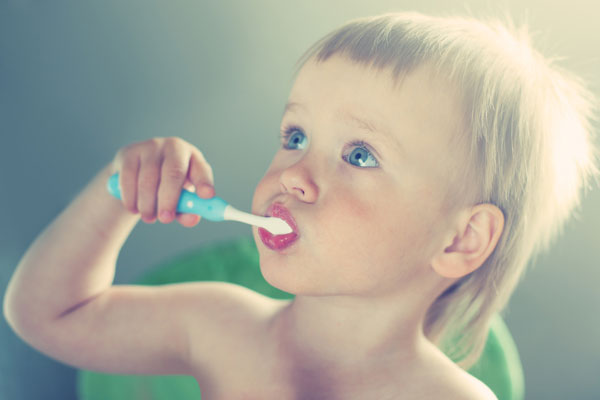
When to start caring for infant teeth
Establishing a healthy starting point for your child’s oral care start earlier than you may realize.  It’s amazing how quickly time passes and how fast children grow up.  We’ve put together a few guidelines to encourage you to make good dental habits a priority and to begin caring for your child’s teeth as soon as possible.

Start before teeth arrive.

First teeth generally appear around 6 months. (Don’t worry if your child is sooner or later than this.  All children are different.) Gently wiping the inside of your baby’s mouth with a soft cloth after meals or during bath time will help to reduce bacteria and give emerging teeth a great start.  It will also get you in the habit of caring for your child’s teeth until they are ready to take over themselves.

Begin brushing as soon as the first tooth appears.

Once the first tooth emerges, it’s time to begin brushing.  We recommend a tiny smear of toothpaste on a toothbrush that’s specifically designed for infants.  These usually have small brush heads and a special shape or handle that fits easily in your hand.  Stick to brushing twice a day and be sure to brush both the inside and outside of each tooth surface.  Flossing shouldn’t be a concern until tooth surfaces touch.

Establish a dental home early.

We encourage you to make the first visit to our practice more of a “meet and greet”.  We can give you and your child a mini-tour, and introduce you to our team.  It is our belief that a comfortable, caring environment is essential for a lifetime of healthy smiles.  We would love to see your child when their first tooth arrives or by age one.

Keep a routine for the whole family.

Children imitate what they see their parents do.  Chances are, if caring for your own teeth is a priority then you will pass those health habits along to your children.  Try making brushing and flossing something that everyone in your family does as part of your regular routine.

If you haven’t been following these guidelines, it’s not too late to start!  The best time to begin a lifetime of great dental habits is today.  We encourage you to share this blog post with your friends and family who have young children or may be expecting.  And don’t forget to call us if it’s time for a check-up!

How To Get Relief From Sensitive Teeth!

how to fix sensitive teeth issues
One of the most common dental complaints we hear involves sensitive teeth.  People of all ages are affected.  Whether it’s biting into a cold ice cream cone or drinking a hot beverage, the pain that can come from hypersensitivity can be more than an inconvenience.

Several things can cause sensitive teeth:

  • Cracked or fractured teeth
  • Missing or worn fillings
  • Gum disease
  • Cavities

Each of these needs to be treated by a dentist.  Ignoring tooth sensitivity or expecting it to get better on its own can cause problems to compound and bring on even more pain.  By far, the most common cause of tooth sensitivity is exposed dentin, the soft tissue just below the hard enamel that protects your teeth.  Dentin can be exposed by one of the causes listed above, or simply because it has worn away as a result of abrasion.

This article from the American Dental Association addresses several of the treatments available for tooth sensitivity.

If your tooth sensitivity is mild, and if a dental visit has shown no need for advanced medical treatment, there are a few steps you can take yourself to help control or even eliminate pain.  You might consider the following:

Use toothpaste made specifically for sensitive teeth. 

Because most sensitivity is caused by exposed dentin, many types of toothpaste made for this purpose work by filling in the microscopic channels in the dentin.

Use a mouthwash with fluoride.

Mild gum disease, which again causes an exposure of the dentin, can often be treated by the regular use of a fluoride rinse.  This will help to strengthen the enamel on your teeth and reduce the bacteria that is attacking your teeth and gums.

Stop using medium or hard toothbrushes.

Your toothbrush should be one with soft bristles as most of us already use too much force when brushing.  This can further wear away enamel and cause greater sensitivity.

Start brushing and flossing regularly.

If you aren’t brushing twice a day, as well as flossing, you should start.  The buildup of plaque on your teeth creates an acid that makes already sensitive teeth even more sensitive.

Four Reasons You Should Care About Gum Health

gumWhen we think of oral health, our focus tends to be on teeth.  But that’s only half the story.  Gum health is an integral part of dental and oral health and can also play a significant role in the overall health of your body.  Taking care of your own gum health and helping guide your children in good oral habits can provide a lifetime of benefits.  Here are four reasons your gums are so important.

1.They keep your teeth in place!

No matter how great the condition of your teeth they require healthy gums to support them.  Your gums serve as a seal around your teeth, protecting more sensitive tissues underneath.  When bacteria is allowed to sit on gums and teeth, small pockets begin to form over time which provides even more places for plaque to hide.  This continual erosion of gum tissues exposes teeth, increasing the likelihood of cavities and even loose teeth.

2.Having healthy gums may lower heart disease.

Gum disease has been linked to cardiovascular problems like heart disease and stroke.  Studies point to gum health as an overall predictor of heart health.  Experts aren’t sure exactly why this is and the link has long been a matter of debate.  What’s unquestionable, however, is that heart attack and stroke patients tend to also have gum disease.

3. It’s possible that having healthy gums can mean a better memory.

According to a report in the Journal of Neurology, Neurosurgery & Psychiatry, researchers have noticed a link between performance on memory tests and gum health.  Study participants with gingivitis, marked by swollen, sensitive gums, consistently performed poorly in memory tests when compared to those with healthy gums.  Apparently, remembering to brush and floss can help you remember where you put your car keys!

4. Healthy gums can keep your whole body healthy.

Bacteria in your mouth can find its way into the blood stream easily when gums are inflamed, meaning that your body is more susceptible to infections.  In fact, research has even uncovered links between gum disease and rheumatoid arthritis.  Using an antibacterial mouthwash can help reduce the amount of bacteria in your mouth, reducing the chance of gingivitis and possibly keeping you healthier overall.

You’ll Be Surprised at the Hidden Sugar in these Foods

Foods with hidden sugar
The processed food industry has made the job of cutting out sugar even more difficult for consumers.  Foods we wouldn’t necessarily consider full of sugar, even healthy foods, are often sugar bombs in disguise.  Reducing the amount of sugar your family eats is not only a great idea for keeping mouths healthy, but it can also have tremendous benefits to overall health.  Here are a few of the worst sneaky sugar offenders.


hidden-sugar-in-BBQ-sauce

BBQ Sauce

Who doesn’t love great barbeque?  From ribs, to pulled pork, BBQ chicken and brisket, great barbeque is often accompanied by a great sauce.  But BBQ sauce can have a high sugar content, sometimes as high as 10 grams per serving.  That’s the equivalent of almost two and one half packets of sugar!

sugar hidden in granola bars

Granola Bars

Granola bars are often high in fiber and full of dried fruits and whole grains.  But be aware, many brands of granola are simply candy bars in disguise.  When shopping for granola bars, look for bars that contain less than 35% calories from sugar.  You’ll be surprised at how few of them fall under that number.  Many bars come in at nearly 50% calories from sugar.


dried fruit hidden sugar

Dried Fruit

One of the biggest surprises in our list of sneaky sugar foods is dried fruit.  That’s because it can be difficult to find dried fruits that don’t have sugar added for extra sweetness.  Raisins, dates, cranberries and even dried bananas are sometimes coated in sugar.  Be sure to check the packaging and only purchase dried fruits that don’t include the extra sugar.

hidden sugar in smoothies


Smoothies

What could possibly be more healthy than a smoothie?  Made the right way, using whole fruits and vegetables, along with unsweetened Greek yogurt, a smoothie can be a terrific choice.  But many smoothie bars will often add liquid sugars to the mixer just before blending.  Your best bet is to ask for a nutrition guide at your favorite shop and watch your smoothie being made.  Try to avoid fruit juices that are generally all sugar and no fiber.  Know what’s going in and don’t forget to ask questions.

With all of the hidden sugar in our food, it can be daunting to track it all down.  A great rule of thumb is to read labels whenever possible and become educated as to the various names for sugar.  Dextrose, corn sweetener, high –fructose corn syrup, fructose, maltose, sorghum and evaporated cane juice are all common names for sugars found in foods you might never suspect as being hidden sugar bombs.

What’s the Best Toothpaste for My Child?

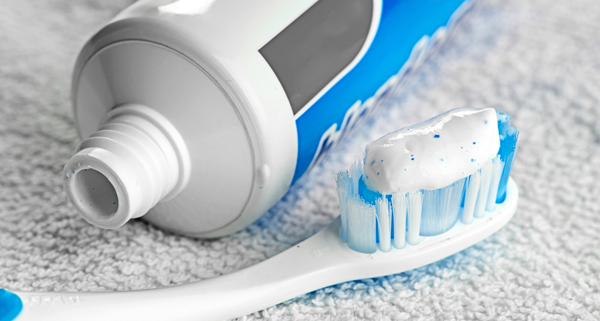
Choose a kids toothpaste
One of the more common questions we are asked on a regular basis concerns choosing the right toothpaste. There are so many choices that it can be difficult to find one that is best for your child’s oral health. Here are a few quick guidelines to make sure you find one that’s right:

1) Look for the ADA seal.

When trying to find the best toothpaste, it’s important to start with one that is recommended by the American Dental Association. Their seal of approval can be found on the box and tube and ensures that the toothpaste has been objectively evaluated for safety by the ADA Council on Scientific Affairs.

2) Avoid harsh abrasives.

Many toothpastes, especially those advertised as “whitening” often contain abrasives that can damage young tooth enamel.

3) Check for fluoride.

Fluoride is a naturally occurring mineral that has been shown to dramatically reduce tooth decay. But you should remember to have children spit out toothpaste and avoid swallowing it. Too much fluoride can cause a condition known as fluorosis. For children too young to spit out toothpaste, you may consider using a fluoride free toothpaste or only a small “pea size” amount.

4) Consider the flavor.

While not a health related issue, you want to make sure that a toothpaste doesn’t taste bad to your child. Many children often find traditional flavors like mint to be “spicy” and they often prefer the more kid friendly options available today.

Since Baby Teeth Are Temporary, Are They Important?

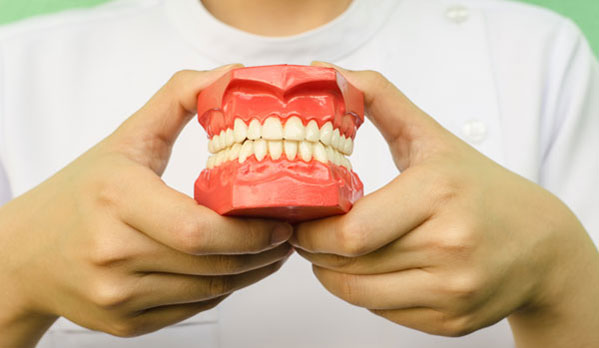
Are baby teeth important
We often hear people downplay the importance of primary teeth (also called “baby” or “milk” teeth).  The front 4 primary teeth generally last until 6-7 years of age, while the back teeth (cuspids and molars) aren’t replaced until age 10-13.  People mistakenly believe that since these teeth are temporary, that they do not matter in the long run.  This will often lead to the neglect of primary teeth and can cause permanent damage.

In truth, it is very important to care for the health of the primary teeth. Untreated cavities frequently lead to problems which have long term effects on developing permanent teeth. Here are four reasons why caring for primary teeth is so important:

(1) Proper chewing and eating.  A cavity free mouth often means that it’s easier to enjoy healthy foods without pain or discomfort.  It also means that children are more likely to chew their food completely and are less likely to develop bad eating habits.

(2) Providing space for the permanent teeth.  Primary teeth reserve space for the permanent teeth.  They help in guiding primary teeth into the correct position.

(3) Permitting normal development of the jaw bones and muscles.  Like any muscle, your baby’s face and jaw muscles need exercise to help them develop; healthy primary teeth allow for proper chewing to build these muscles.  Without well-developed jaw muscles, your baby’s jawbones may not develop properly.

(4) Proper development of speech.  Missing teeth can affect the ability for a child to form words and learn to speak properly.  These speech problems can translate into difficulty later in life.

Aside from the reasons listed, there is a very practical reason for taking care of primary teeth: healthy smiles add to an overall attractive appearance which encourages a positive self esteem and good self image.

E-cigarettes, Teenagers and Oral Health

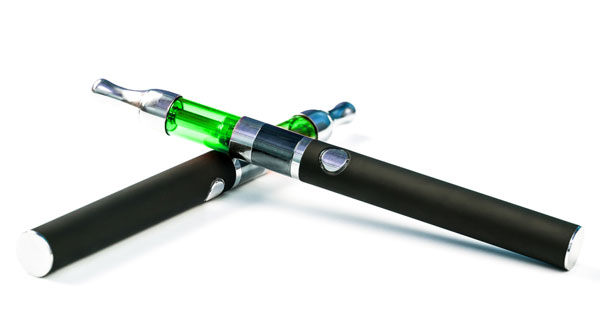
e-cigs and teens
More teenagers have tried Electronic Cigarettes than adults, with statistics showing as many as 10% of high school students having tried the latest trend in smoking compared with only 2.7% of adults. E-cig use has exploded in the past few years, and many people claim to have stopped smoking traditional cigarettes because of them.  While many users also believe e-cigarettes to be safer than regular cigarettes, no definitive studies have proven that they are a safe alternative.

When looking at e-cigarettes and oral health, especially in relation to teenagers, it’s important to remember that an e-cigarette is still primarily a nicotine delivery device and there’s little debate as to the effects of nicotine on the body.

What is nicotine?

Nicotine is a stimulant that, when inhaled, is absorbed by the lungs into the blood stream and passed within seconds to the brain.  As a drug, nicotine works by both stimulating the user through low doses and relaxing the user in higher concentrations.   As evidenced by the large number of people addicted to tobacco products, nicotine is seen as one of the most addictive drugs available.  Interestingly, nicotine has a history of use as an insecticide but isn’t commonly used today because of it’s danger to animals and people.

How does nicotine harm oral health?

Nicotine is a chemical compound known for it’s vasoconstrictor properties, which means that it works by narrowing blood vessels and reducing blood flow throughout the body.  When blood flow is frequently reduced to the gums, there is a dramatic increase in the likelihood of periodontal (gum) disease.  Less blood delivered to the gums means less oxygen and fewer nutrients.  This can result in symptoms such as bleeding gums, redness, bad breath and even tooth loss.

Better than cigarettes?

The truth is, no one is completely sure about the long-term health effects of e-cigarettes which can make them a particular concern for adolescents.  Many teenagers are smoking e-cigarettes because they feel they are safe or cool.  Regardless of how it’s delivered, however, nicotine is still a highly addictive drug that should be avoided by everyone, especially growing teens.   With few laws banning their use among young people, it’s important to educate your children about the potential hazards of this growing trend.

4 Sure-Fire Tips for a Cavity Free Year

cavityfree
According to the Centers for Disease Control and Prevention, nearly one out of every five children in the US has an untreated cavity.  More than 51 million school hours are lost every year because of dental problems.  However, nearly 100% of cavities are preventable.  Want a cavity free year? Following these four simple steps can keep you and your kids on the right path to a healthy mouth:

1. Set a timer (or play music) for two minutes of brushing, twice every day.

Brushing for two minutes, twice each day is basic to staying cavity free.  Brushing at the same time each day, as part of your regular routine can help develop a daily habit of oral care.  Consider brushing with your children so they can see an example of good oral hygiene and will be motivated to care for their own teeth.  Because brushing for a full two minutes can be a challenge for young children, the ADA has created fun videos that are exactly two minutes long.  You can find them on the2Min2X website.

2. Keep regular dental visits.

Start the year off right by setting up an appointment and taking care of issues you may have been avoiding.  Time or finances can result in missed checkups, but putting off needed exams or dental work often causes problems to become more costly, more time consuming and more painful. Your family should schedule an appointment once every six months for a regular cleaning and check-up.

3. Take advantage of fluoride.

Fluoride is a natural mineral that has been shown to dramatically reduce cavities.  You may not realize it, but most of the water coming from faucets in the U.S. is fluoridated.  Unfortunately, bottled water usually doesn’t contain fluoride, so kids and adults that exclusively drink bottled water may be missing valuable anti-cavity benefits.  Switch to tap water this year. You could save a plastic bottle from the trash and possibly your teeth from a cavity.

4. Teach your kids to floss.

Surprisingly, a survey from Delta Dental revealed that 43 percent of parents said their children’s teeth are never flossed.  Additionally, the ADA reports that one in ten US adults neglect flossing as well.  Why not start a new habit this year and begin flossing regularly?  If your child can tie his or her own shoes, there’s a good chance they may be ready to learn how to floss.  Flossing helps to reach the places that a toothbrush simply cannot go and it’s one of the best ways to prevent gum disease.

Cavities are preventable.  This could be a banner year for your teeth simply by following these simple steps.  Please leave a comment below if you have any questions or give us a call to set up an appointment today!

Seven Healthy Teeth Stocking Stuffer Gift Ideas Your Kids Will Love

stockinghead
Looking for a few last-minute ideas to fill the stockings you’ve hung with care?  Here are ideas for a few items that will get little ones excited about taking care of their teeth this coming year!

A New Toothbrush

Everyone loves a new toothbrush.  For the holidays, pick one that will get your kids excited about brushing their teeth.  There are character brushes, brushes that light up and even brushes that play music while you clean your teeth!  Be sure and choose a soft-bristled brush with the appropriate sized head for smaller mouths.

Fun Dental App

Whether your child has their own mobile device or uses yours, there are a ton of new dental apps that make oral care fun and educate kids about dental topics.  From educational games like Tiny Dentistand Monster Mouth, to apps that help kids brush for two minutes like Brush DJ, there’s something for everyone.  You can purchase the app and simply put a note or card in your child’s stocking or give a gift card for the iTunes store or Google Play.

A  Tooth Timer

If brushing the correct amount of time is difficult for your kids, consider getting a small timer to keep in the bathroom.  Brushing for two minutes can seem like a long time.  A timer can ensure your kids are brushing long enough and can even become a game!

A Wacky Toothpaste Flavor

There are so many fun toothpaste flavors to choose from.  Try giving your kids something silly that you wouldn’t usually pick out.  There’s bubblegum flavor, chocolate, and even bacon!  Look for theADA seal on whatever you buy.

Sugar-Free Chewing Gum With Xylitol

Did you know that chewing gum can actually be good for your teeth? While not a substitute for brushing, sugar-free gum can help in the production of saliva which washes away trapped food particles.  Further, gum containing xylitol has actually been proven to help reduce cavities.

Sports Mouthguard

Unfortunately, a lot of kids are playing sports without adequately protecting their teeth.  If you have a child who plays an active sport, consider getting a mouthguard for Christmas.  Even if they already have one, a fun new color or style can get kids excited about staying in the habit of wearing it.

Silly Toothbrush Holder

There are a lot of fun toothbrush holders out there.  We’ve seen ones shaped like super heroes, animals and even rocket ships.  Get rid of the boring mug and replace your child’s toothbrush holder with something fun.

5 Tips for Healthy Holiday Smiles

Healthy Holiday Teeth
A season of holiday cheer doesn’t mean a holiday from your family’s dental health.  In fact, the change in your schedule and diet means that it is even more essential to be vigilant in maintaining your beautiful smile.  Here are five pointers for a healthy mouth during the holidays:

Get up to date on your dental visits before the year is out.

Don’t put off needed visits until you return from visiting family.  It’s always a good idea to plan ahead, get an appointment early and take care of your teeth before the rush and hustle of celebrating.  Staying up to date will help prevent dental issues from ruining your time away from home by detecting any underlying issues that need to be treated before your leave.  Holidays and vacation times are also very busy time in dental offices, so you want to make sure your appointments are scheduled and taken care of sooner rather than later.  And don’t forget flex benefits! Many flex pay health care plans require you to spend any accumulated funds before year end.

Make a dental travel kit.

Nearly everything comes in a travel size and we’ve found that the activity of putting together a dental travel kit will encourage great habits while you are away from home.  Don’t forget to pack travel sized mouthwash, floss and a toothbrush for everyone in the family. We’re excited about new convenient options as well, such as quick disposable toothbrushes that can be carried for “in-between” brushing on the go.  Your kids will love their own dental kit.  Help them to pick out a special brush and mini-toothpaste just for their time away.

Protect your toothbrush.

If you’re leaving town for the holidays, you want to make sure that your toothbrush stays covered.  Extra handling, luggage and hotel bathrooms provide bacteria extra opportunity to find its way onto your bristles and into your mouth.  Several options are available, including covers that are anti-bacterial.  A closed cover gives a warm, damp place for bacteria to thrive, so remember to let your toothbrush dry before covering it up.

Watch what you eat.

We are all more likely to indulge in sugary drinks, snacks and desserts during the holidays.  We’re also more likely to allow our children to indulge for special occasions. Why not make a conscious decision to eat a bit healthier this year?  Instead of just planning your days and family activities around food, look for opportunities for more active fun.  You might also decide to pack healthy snacks so that you won’t be tempted to grab a quick treat on the road that may not be good for your teeth.

Keep your routine.

Whatever you decide to eat, don’t forget your regular dental habits.  It may be tempting to just go to bed after a long day of family fun, but forgetting your routine could mean no-so-fun dental problems later on.  Make brushing and flossing an activity that your family does together.  It can be a great opportunity to “de-brief” and discuss the activities of the day or plan for the next.

We wish everyone a great season of love, joy, happiness and healthy smiles!

Latest News from Children's Dental Specialties