This Common Snack Food is Worse for Your Teeth Than Candy

foods worse than candy
When we think of the foods most harmful to our teeth, we immediately think of candy.  Cavities are caused by bacteria in your mouth that creates enamel attacking acids. This bacteria feeds on sugars that exist in nearly everything we eat, and candy is one of the most obvious culprits.  But other foods can be just as rough on teeth, if not worse.

You may have been “tricked”.

Chips and crackers are often substituted for sweets because we think they are better for our teeth, and even people who are vigilant about brushing can be less likely to consider the negative effects of starchy foods.  Unfortunately, it’s not only obviously sweet foods that can cause trouble for teeth, but potato chips, crackers, and other starches are bad news as well. They become soft or sticky when chewed, and stay lodged in teeth long after the meal. Although they don’t necessarily taste sweet, the starches in crackers and chips are broken down into sugar by enzymes in the mouth.

Starchy foods like Chips can be worse than candy.

The American Academy of Pediatric Dentistry has stated that starchy foods may even be worse for your teeth than candy because of the length of time they stay on teeth long after snacking has ended.   As part of a national survey commissioned by the AAPD, it was discovered that 96% of U.S. adults with children under 12 thought a cracker was better for teeth than a piece of caramel.  The AAPD went on to say:

“The truth is that starches can lead to cavities just as sugars can, and caramels dissolve more quickly from the mouth than crackers…A cracker may be more figure-friendly, but it is not a teeth-friendly snack.”

Experiment with healthier alternatives.

Instead of potato chips or crackers, apple slices or celery can provide that satisfying crunch. Are there picky eaters in your family? A small amount of protein-dense peanut butter as a topping adds flavor if you or your children aren’t impressed with the substitution. Whatever you and your children snack on, be sure to brush for at least two minutes, twice every day!


These Four Mistakes Are Causing Millions of Preventable Cavities in Kids

mistakes with kids teeth
No parent wants their child to have cavities and the majority of us take special care to ensure that each dental visit ends cavity-free.  Yet, tooth decay remains the most common preventable childhood disease in the U.S. Here are a few simple mistakes that, if corrected, could save children from millions of cavities.

  1. Not Starting Prevention Early Enough

Many parents wait until children are almost school-age before setting the first dental appointment and before they begin focusing on good oral habits.  However, oral care should truly begin before primary teeth even appear.  For example, parents can use a soft, damp cloth to clean their baby’s gums after each feeding.  Scheduling the first dental appointment should also take place when the first tooth appears or before the age of one, whichever comes first.  Finding a dental home early in your child’s life is one of the most important preventative measures you can take for your child’s oral future.

  1. Baby bottles and Sippy Cups at Bedtime

Even though 80% of parents say they know that children should not be put to bed with a bottle of milk or juice, a surprising number of parents still do just that on a regular basis.  Regularly allowing your children’s teeth to be constantly bathed in liquids other than water is one of the most significant contributors of early tooth decay.  Even diluting juice with water can give bacteria the sugar they need to thrive inside your child’s mouth.

  1. Not Teaching Kids to Floss

Most parents do a fantastic job of teaching their kids to brush their teeth (two minutes, twice a day!) But recent studies have shown that 43% of school-aged children have never flossed their teeth…not even once.  Brushing alone only reaches a quarter of tooth surfaces and a large number of cavities are actually found where a toothbrush can’t go – between teeth.  It is important to floss for young children, who often don’t have the dexterity to floss on their own.  Older children should be taught the correct way to floss daily.  Here’s a great instructional sheet that provides some guidelines on flossing.

  1. Thinking Sports Drinks are Better than Sodas

These days, nearly all parents are vigilant about keeping sodas away from their children.  But one source of sugar may have simply been replaced by another.  Sports drinks often contain just as many calories and sugar as soft drinks.  Instead of serving kids sports drinks during sporting events and games, a better option is simply water.  The types of activities that kids are involved in are rarely strenuous enough to require anything else.

Are you looking for a dental home for your children?  Give us a call today!

6 Ways to Transition Teens to Caring for Their Own Oral Health

Teens and cavities
As children become more independent, parents often have less direct influence over their child’s oral care. The transition to adolescence means that schedules become more crowded and teens are left with more responsibility in caring for their own teeth.  Too often, this results in first-time cavities and missed opportunities to catch dental issues when they are just beginning and are easiest to treat.  Here are 6 guidelines to make certain your child’s dental care remains a priority through their teenage years.

1. Keep dental supplies handy.

What better motivation do any of us have to brush than a new toothbrush?  Teens may be independent, but they aren’t buying their own dental supplies.  Be sure there’s plenty of toothpaste, floss and mouth rinse handy.

2. Get an orthodontic consultation.

Kids (and adults) get braces at all ages, but it’s certainly most common during the teenage years. As they have grown rapidly, so have their facial muscles and bones. We can guide you in the right direction and provide advice about your teen’s specific needs.  You may be surprised at the number of options that are now available.

3. Purchase less junk food.

You can’t always control what your teens buy when they aren’t with you.  But you can make certain that your refrigerator and pantry aren’t well stocked with sugary drinks and your pantry isn’t full of junk food.  Keeping your own purchase of unhealthy foods to a minimum will mean that they are less available when your kids want to grab a quick drink.

4. Play to their vanity!

Teenages are more aware of their looks than at any time in their lives.  Use this to your advantage by stressing how attractive a healthy smile can be.  It truly is one of the primary reasons each of us cares for our teeth…white, healthy teeth make us all look good!

5. Make them use mouthguards.

Adolescents are more active than ever with sports that can be dangerous to still-growing mouths.  Be sure your teen wears a mouthgaurd whenever possible, especially in teen sports where contact is common.  Mouth injuries caused by sports are some of the most common we see on a regular basis.

6. Don’t neglect regular checkups.

We know that your family is busy, even more now that each member is “doing their own thing”.  And while it can be easy to miss scheduled dental visits, you shouldn’t neglect to do so. Even though adolescents have bigger bodies than they used to, they are still kids.  It’s going to remain your job to stay on top of dental appointments. Give us a call today and help your teens transition into adulthood knowing that dental care is a priority.

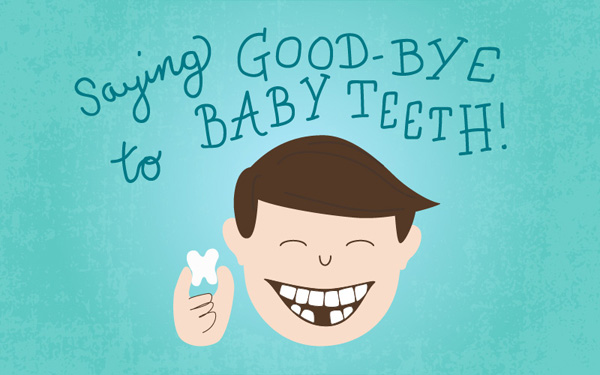
Saying Good-bye to Baby Teeth

when to expect baby teeth to fall out

One of the many milestones that parents anticipate as their children grow up is the loss of baby (primary) teeth.  It’s an exciting part of the transition from baby and toddler to becoming a “big kid”.  We’re often asked questions about what to expect.  While every child is different and no child follows an exact schedule, we’ve provided a few general guidelines:

What timeline can be expected?

Most children will have all of their 20 primary teeth around the age of 3. Some of these primary teeth stick around until your child becomes a teenager.  Although they will eventually fall out, it is very important that you and your child takes care of their primary teeth to prevent cavities, decay and gum disease.  Caring for primary teeth now will set the stage for healthy adult teeth when they are ready to grow in.

On average, the first tooth falls out when children are 6 years old and will usually fall out in the order they came in.  Around this time children will also begin to receive their first permanent molars at the back of their mouth where there is already a space waiting for them. Around the age of 8, you can generally expect the bottom 4 primary teeth (lower central and lateral incisors) and the top 4 primary teeth (upper central and lateral incisors) to be gone and permanent teeth to have taken their place. 

After these major changes, many parents experience about a one-two year break when their wallet can take a breather from dishing out tooth fairy cash.  By approximately 13 years old, the rest of your child’s primary teeth (canine/cuspid, first premolar, and second premolar) should have fallen out and the second (12 year old) molars will start to erupt.  The third molars (wisdom teeth) will come in around 17-21 and these are the last set of teeth to grow in.

Is special care needed?

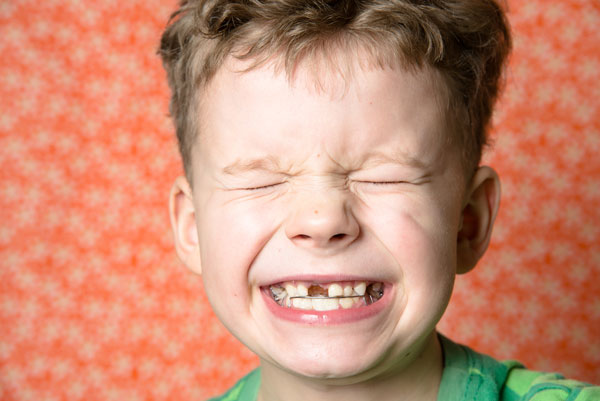
When your child is starting to lose his or her teeth, they will want to wiggle and play with it. This is normal and encouraged.  The tooth will eventually fall out on its own.  However, you should instruct your child to not yank or put unnatural force on the tooth if it’s not quite ready to come out.  This can damage roots, harm sensitive gum tissue and even cause infection.  Losing a tooth is usually never painful.

What if my child is late in losing her teeth?

Certainly, the exact age of losing teeth differs for every child. It is to be expected that if your child received their baby teeth early and quickly, the same will happen for when they start to fall out and vice versa.  Again, all children are different and there is no need to be alarmed as long as their teeth are falling in the right order.  If you do have some concern, please do not hesitate to give us a call.

Four False “Facts” About Baby Teeth

 
Baby Teeth Myths

There are a lot of myths and misconceptions about a child’s first teeth.  Primary teeth, also called milk teeth or baby teeth, are the temporary teeth that end up under pillows and provide plenty of business for the tooth fairy!  Here are four myths about baby teeth that every parent should know:

#1 Baby teeth aren’t important.

Many parents mistakenly believe that baby teeth are less important than permanent teeth because they are just going to “fall out anyway”.  But baby teeth serve a very important purpose as place-holders in growing mouths during early years of development.  They help maintain the proper structure of the mouth in providing a guide for permanent teeth to move in behind them when the time comes.  A baby tooth lost too early can lead to crowding of adult teeth, for example.

#2 Cavities in baby teeth do not matter.

This one is similar to dismissing the importance of a baby tooth because it’s based on the idea that since these teeth will eventually come out, what happens to them beforehand doesn’t matter.  Unfortunately, cavities cause more than just a cosmetic blemish.  Cavities can cause pain or discomfort for children and even abscess if left untreated.  Further, cavities harbor bacteria that can spread through the bloodstream and effect your child’s overall health.

#3 There’s no need to brush baby teeth.

Parents should begin brushing teeth as soon as they appear.  Not only will this help prevent tooth decay, but it also begins a lifetime of good dental habits.  It’s even a good idea to begin oral care before teeth appear. A soft, damp rag rubbed over your baby’s gums reduces bacteria and helps emerging teeth get off to a great start.

#4 Kids don’t need to see a dentist until they are older.

Unfortunately, many parents don’t take their child to the dentist until there is a problem. The American Academy of Pediatric Dentistry (AAPD) suggests that parents bring their children for a first dental visit as soon as the first tooth emerges or by age one at the latest.  Establishing a “Dental Home” early will ensure that your child has a good experience on their first visit and develops a trusting relationship with the dentist.

Do you have questions about your baby’s teeth?  Don’t hesitate to ask!  We would love to talk to you about any questions or concerns you might have!

Greek Yogurt: Super-food For Your Family’s Teeth

Greek Yogurt For Teeth
Greek yogurt is a dental super food.  Yogurt is more popular than ever as a healthy choice for those seeking to supplement their diet with a food that will help their overall health.  Several respected studies over the last few years have continuously shown that Greek yogurt has benefits far beyond digestive health.  Here are a few of the exciting ways that yogurt can help keep you smiling:

Greek yogurt helps gums.

A Japanese study of 1,000 adults revealed that the healthiest gums were found in those that ate the most yogurt.  Probiotics, the “good bacteria” found especially in Greek yogurt are the possible reason as these active cultures may help to slow the growth of cavity causing bacteria.  Healthy gums are essential to your overall health because gum disease can put you at an increased risk for a wide range of complications including heart disease.

Greek yogurt strengthens teeth.

Yogurt is high in calcium which helps to keep your teeth strong.  Calcium works by maintaining the density of your skeletal bones through years of deposit while your body is growing the most.  For this reason, children especially benefit from the calcium found in yogurt.  Once permanent teeth appear, calcium continues to help prevent tooth decay by keeping enamel strong.

Greek yogurt fights bad breath.

Researchers have discovered that eating six ounces of yogurt each day greatly reduces the bad breath causing compounds like hydrogen sulfide.  It turns out that the probiotics found in yogurt help to keep “smelly” bacteria in check.

Yogurt makes your mouth less acidic.

Cavity-causing bacteria love an acidic mouth.  Yogurt counters this by balancing your mouth’s PH levels and creating a less hospitable place for bacteria to thrive.

The best yogurt for your dental health is plain and sugar free.  Greek yogurts are an even better option because they often contain the highest amount of probiotics.  If you or your children crave a sweet addition to your yogurt, you might sparingly choose a small amount of fresh fruit or a natural sweetener.

Vacation Tips From Your Dentist!

Dental-care-on-vacation
A vacation from work or school doesn’t mean a vacation from your dental health.  In fact, the change in your family’s schedule and diet means that it is even more essential to be vigilant in maintaining those beautiful smiles.  Here are five pointers for a healthy mouth while you and your children are traveling or on vacation:

1. Get up to date on your dental visits before you go.

Don’t put off needed visits until you return from your travels.  It’s always a good idea to plan ahead, get an appointment early and take care of your teeth before the rush and hustle of vacations.  Doing this will help prevent dental issues from ruining your time away from home by detecting any underlying issues that need to be treated before your leave.  Holidays and vacation times are also very busy time in dental offices, so you want to make sure your appointments are scheduled and taken care of sooner rather than later.

2. Make a dental travel kit.

Nearly everything comes in a travel size and we’ve found that the activity of putting together a dental travel kit will encourage great habits while you are away from home.  Don’t forget to pack travel sized mouthwash, floss and a toothbrush for everyone in the family. We’re excited about new convenient options as well, such as quick disposable toothbrushes that can be carried for “in-between” brushing on the go.

3. Protect your toothbrush.

You want to make sure that your toothbrush stays covered.  Extra handling, luggage and hotel bathrooms provide bacteria extra opportunity to find its way onto your bristles and into your mouth.  Several options are available, including covers that are anti-bacterial.  A closed cover gives a warm, damp place for bacteria to thrive, so remember to let your toothbrush dry before covering it up.

4. Watch what you eat.

We are all more likely to indulge in sugary drinks, snacks and desserts while traveling or on vacation.  Why not make a conscious decision to eat a bit healthier this year?  Instead of planning your days around food, look for opportunities for more fun.  Pack healthy snacks so that you won’t be tempted to grab a quick treat that may not be good for your teeth.

5. Keep your routine.

Whatever you decide to eat, don’t forget your regular dental habits.  It may be tempting to just go to bed after a long day of fun, but forgetting your routine could mean no-so-fun dental problems later on.  Make brushing and flossing an activity that your family does together.  It can be a great opportunity to “debrief” and discuss the activities of the day or plan for the next.

We hope everyone has a great summer full of fun and healthy smiles!

3 Foods that Can Harm Your Child’s Teeth & 3 Easy Alternatives

Snacks for healthy teeth
What your child eats affects their oral health.  The best thing you can do as a parent is to encourage your children to make healthier food choices.  Here are a few common snacks that can be detrimental to the health of your child’s teeth and a smile-friendly alternative for each of them.

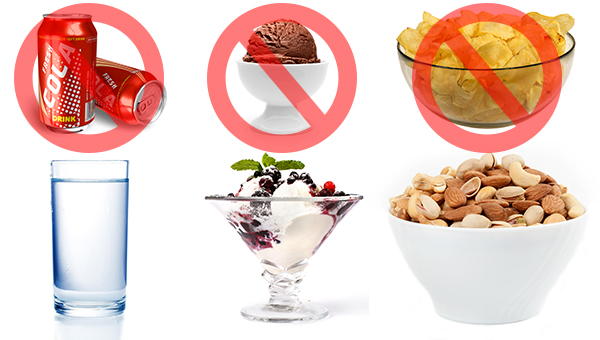
Sodas & Sugary Drinks

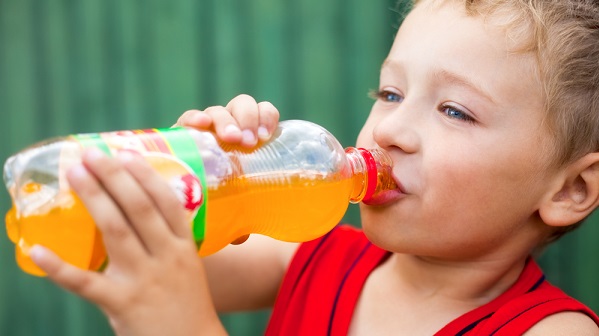
Sodas and sugary drinks can be tough to avoid, but they’re also one of the most common threats to your child’s dental health.  The sugar in these drinks combines with the bacteria in their mouths and forms acids that attack the enamel on your child’s teeth, leaving them susceptible to decay.  Limit sodas and try to establish them as more of an occasional treat while you establish a water habit for your child. Add a lemon, lime or cucumber to their water to give it a more flavorful twist.

Ice Cream

Similar to sodas, ice cream can easily become a problem for a child’s oral health.  The high sugar content and extreme cold temperature weaken enamel which can lead to serious problems down the road.  A great alternative to an ice cream sundae is yogurt (low in sugar) with fresh fruit.  The fruit will provide flavor they are craving; plus, the many oral health benefits of yogurt are well-documented.

Potato Chips & Starchy Snacks

You might not think of potato chips as a particularly risky food, since they have little sugar.  However, these foods can easily get wedged and hidden between your child’s teeth.  Potato’s starch converts into sugar as soon as you consume them.  Instead, try eating different types of nuts.  Peanuts, almonds and walnuts, provide vitamins that strengthen children’s teeth and minerals that stimulate saliva production.

Of course, regular (6 month) dental checkups and cleanings are essential in keeping healthy teeth.  Until then, establish good eating habits to help improve your child’s oral health.

Soda’s War On Your Child’s Teeth

Soda and Kids Teeth
Good news for teeth: Soda consumption in the U.S. is falling.  For the eighth-straight year soda consumption has decreased to its lowest level since 1987.  Many school districts have banned sugary carbonated beverages from their cafeterias.  Well-known politicians have attempted to limit access to large quantities of soda, and even the national “Let’s Move” campaign is urging kids to drink water instead of soda.

But there’s still a lot of soda being consumed, especially by kids.  Estimates have shown that one in five children consumes as many as four servings of soda every day.  Many teens drink as many as twelve soft drinks a day!

Soda is not only bad for your body, being a major contributor to obesity, but it’s incredibly damaging to your teeth because its war on them hits in two major fronts: acidity and sugar.  You may have seen the popular science experiment where an egg is placed in soda and left overnight.  Not only will the egg be permanently stained, but if left long enough the acid in the soda will completely dissolve the shell.  Just like in the experiment, every time you drink soda it bathes your teeth in acid that eats away the hard enamel protecting your teeth.

This is where the second attack occurs.  Soda is extremely high in sugar, containing more than 4 tablespoons in a 20 ounce bottle.  Sugar feeds the bacteria that cause cavities.   Teeth that are already softened by a constant washing of highly acidic soda are further damaged by this increase in bacteria.

The good news is that it’s never too late to make healthier choices.  Replacing soda with water is not only better for your teeth, but also better for your overall health.  You can also help reduce the effects of the occasional soda by rinsing with water after consumption and using fluoride toothpaste.   Don’t forget to brush two minutes, two times each day and make sure that you are up to date on your dental appointments!

Easy Ideas to Motivate Your Kids to Brush

motivating-kids-to-brush


It can be difficult for all of us to do something that we’re simply not in the mood for.  This is especially true for children, whether it’s bed-time or bath-time.  Maintaining good oral hygiene can be a challenge as well, so here are a few tips for motivating your children to keep their teeth healthy:

Let kids pick their own toothbrush.

One of the easiest ways to make brushing fun is to indulge your kids with a themed toothbrush. You can find tooth brushing gear with everything from Sponge Bob to Finding Nemo and even comic book characters and superheroes. Always pick one with soft bristles and with a brush size that is appropriate for their mouth and age.   Giving your child an opportunity to choose her own toothbrush empowers her to be an active part of maintaining positive dental habits.

Use a kid-friendly toothpaste.

There are a lot of flavored toothpastes  on the market that can help to make tooth brushing less “icky” for kids who don’t like the strong mint or cinnamon flavor of adult toothpastes.  This is another opportunity to involve your children by letting them choose their toothpaste flavor.  Of course, always make sure that toothpaste is approved by the ADA and carries the ADA seal.

Brush together.

Make oral hygiene a family activity. Toddlers love to imitate their parent’s behavior.  The same instinct that leads your children to play dress-up in your closet will make them want to take care of their mouth just like you do. Practicing good oral hygiene together will also give you the chance to notice any issues that your children might have with their brushing technique. It’s important that they don’t brush too hard, and that they don’t miss tricky parts of the mouth like back molars, and under the gums.  Remember to help your child brush at least once a day until they develop the fine motor skills to do a good job on their own.

Make it musical!

Music is also a great tool for any repetitive activity. Humming a favorite song together is a good way to ensure that your children are brushing their teeth long enough to thoroughly clean them. The American Academy of Pediatric Dentistry recommends that children brush their teeth twice a day, for two minutes per session, which can seem like an eternity for a restless child. Using music makes this time pass quicker and can even serve as a way to measure how long teeth are being brushed.  Oral care is a repetitive activity that benefits greatly from a little bit of music.

Ultimately, the goal is to make oral care fun.  Just because it is a habit, doesn’t mean it also has to be a chore.  We would love to hear your ideas about how you’re making brushing fun in your home!

Latest News from Children's Dental Specialties