Should Your Insurance Company Dictate Your Level of Dental Care?

Dental Insurance dictating care
 

We often have patients decide not to have certain procedures performed because their insurance does not cover that particular service.  Sadly, this is especially true of preventative procedures.  It can be frustrating for dentists when a service needs to be performed, but the decision of an insurance company gets in the way.

Don’t let insurance decide your treatment options.

We would like to encourage you not to let insurance companies dictate your level of care.  Like most businesses, their primary function is to make a profit. Insurance policies and health plans are designed to give you what the insurance company considers adequate care to balance their costs versus the premium that you are currently paying.  Likewise, your employers’ choices of health plan benefits are based primarily on cost versus coverage.  This is all understandable, but what your insurance does and does not cover should not be the final factor in deciding the care you and your family receives.  Even if you have to pay out of pocket, the future benefits of preventative care may far outweigh the immediate financial cost.

An ounce of prevention…

Preventative procedures such as fluoride treatments, sealants and x-rays are among the most frequently declined dental services because they can seem optional, unnecessary and are not always covered by every health plan.  Many insurance policies, for example, will only cover one fluoride treatment each year even though having a fluoride treatment at each visit can help prevent cavities in children.   Less costly preventative care can often save you and your family from the pain and discomfort of cavities as well as save you money.  It’s not uncommon for patients to spend hundreds or even thousands of dollars for dental problems that must be taken care of when earlier care could have prevented the issue at a fraction of the cost.


We’re here to help you make the best decision.

We are very sensitive to your families’ budget and always try to help you make the best care decision possible.  We would never suggest treatment that we don’t think our patients need. Please feel free to ask us about any of the services that we offer.  Give us an opportunity to explain the benefits of each procedure so that you can make informed decisions.  Don’t let an insurance company pick the level of care your family receives.


4 Baby Teeth Myths Debunked

Baby Tooth Myths
There are a lot of myths and misconceptions about a child’s first teeth.  Primary teeth, also called milk teeth or baby teeth, are the temporary teeth that end up under pillows and provide plenty of business for the tooth fairy!  Here are four myths about baby teeth that every parent should know:

#1 Baby teeth aren’t important.

Many parents mistakenly believe that baby teeth are less important than permanent teeth because they are just going to “fall out anyway”.  But baby teeth serve a very important purpose as place-holders in growing mouths during early years of development.  They help maintain the proper structure of the mouth in providing a guide for permanent teeth to move in behind them when the time comes.  A baby tooth lost too early can lead to crowding of adult teeth, for example.

#2 Cavities in baby teeth do not matter.

This one is similar to dismissing the importance of a baby tooth because it’s based on the idea that since these teeth will eventually come out, what happens to them beforehand doesn’t matter.  Unfortunately, cavities cause more than just a cosmetic blemish.  Cavities can cause pain or discomfort for children and even abscess if left untreated.  Further, cavities harbor bacteria that can spread through the bloodstream and effect your child’s overall health.

#3 There’s no need to brush baby teeth.

Parents should begin brushing teeth as soon as they appear.  Not only will this help prevent tooth decay, but it also begins a lifetime of good dental habits.  It’s even a good idea to begin oral care before teeth appear. A soft, damp rag rubbed over your baby’s gums reduces bacteria and helps emerging teeth get off to a great start.

#4 Kids don’t need to see a dentist until they are older.

Unfortunately, many parents don’t take their child to the dentist until there is a problem. The American Academy of Pediatric Dentistry (AAPD) suggests that parents bring their children for a first dental visit as soon as the first tooth emerges or by age one at the latest.  Establishing a “Dental Home” early will ensure that your child has a good experience on their first visit and develops a trusting relationship with the dentist.

Do you have questions about your baby’s teeth?  Don’t hesitate to ask!  We would love to talk to you about any questions or concerns you might have!

Yogurt and Your Teeth.

Yogurt for dental health
 

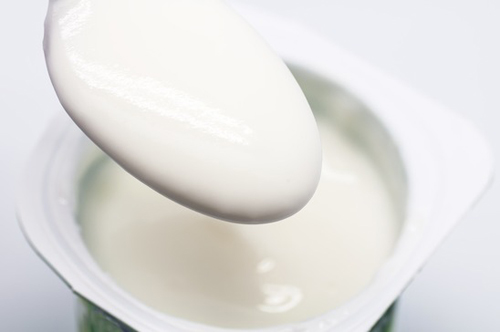
Yogurt is a dental super food.  Yogurt is more popular than ever as a healthy choice for those seeking to supplement their diet with a food that will help their overall health.  Several respected studies over the last few years have continuously shown that yogurt has benefits far beyond digestive health.  Here are a few of the exciting ways that yogurt can help keep you smiling:

Yogurt helps gums.

A Japanese study of 1,000 adults revealed that the healthiest gums were found in those that ate the most yogurt.  Probiotics, the “good bacteria” found in yogurt are the possible reason as these active cultures may help to slow the growth of cavity causing bacteria.  Healthy gums are essential to your overall health because gum disease can put you at an increased risk for a wide range of complications including heart disease.

Yogurt strengthens teeth.

Yogurt is high in calcium which helps to keep your teeth strong.  Calcium works by maintaining the density of your skeletal bones through years of deposit while your body is growing the most.  For this reason, children especially benefit from the calcium found in yogurt.  Once permanent teeth appear, calcium continues to help prevent tooth decay by keeping enamel strong.

Yogurt fights bad breath.

Researchers have discovered that eating six ounces of yogurt each day greatly reduces the bad breath causing compounds like hydrogen sulfide.  It turns out that the probiotics found in yogurt help to keep “smelly” bacteria in check.

Yogurt makes your mouth less acidic.

Cavity-causing bacteria love an acidic mouth.  Yogurt counters this by balancing your mouth’s PH levels and creating a less hospitable place for bacteria to thrive.

The best yogurt for your dental health is plain and sugar free.  Greek yogurts are an even better option because they often contain the highest amount of probiotics.  If you or your children crave a sweet addition to your yogurt, you might sparingly choose a small amount of fresh fruit or a natural sweetener

5 Pointers for Healthy Vacation Smiles.

Having healthy teeth while on vacation
A vacation from work or school doesn’t mean a vacation from your dental health.  In fact, the change in your schedule and diet means that it is even more essential to be vigilant in maintaining your beautiful smile.  Here are five pointers for a healthy mouth while traveling or on vacation:

Get up to date on your dental visits before you go.

Don’t put off needed visits until you return from your travels.  It’s always a good idea to plan ahead, get an appointment early and take care of your teeth before the rush and hustle of vacations.  Doing this will help prevent dental issues from ruining your time away from home by detecting any underlying issues that need to be treated before your leave.  Holidays and vacation times are also very busy time in dental offices, so you want to make sure your appointments are scheduled and taken care of sooner rather than later.

Make a dental travel kit.

Nearly everything comes in a travel size and we’ve found that the activity of putting together a dental travel kit will encourage great habits while you are away from home.  Don’t forget to pack travel sized mouthwash, floss and a toothbrush for everyone in the family. We’re excited about new convenient options as well, such as quick disposable toothbrushes that can be carried for “in-between” brushing on the go.

Protect your toothbrush.

You want to make sure that your toothbrush stays covered.  Extra handling, luggage and hotel bathrooms provide bacteria extra opportunity to find its way onto your bristles and into your mouth.  Several options are available, including covers that are anti-bacterial.  A closed cover gives a warm, damp place for bacteria to thrive, so remember to let your toothbrush dry before covering it up.

Watch what you eat.

We are all more likely to indulge in sugary drinks, snacks and desserts while traveling or on vacation.  Why not make a conscious decision to eat a bit healthier this year?  Instead of planning your days around food, look for opportunities for more fun.  Pack healthy snacks so that you won’t be tempted to grab a quick treat that may not be good for your teeth.

Keep your routine.

Whatever you decide to eat, don’t forget your regular dental habits.  It may be tempting to just go to bed after a long day of fun, but forgetting your routine could mean no-so-fun dental problems later on.  Make brushing and flossing an activity that your family does together.  It can be a great opportunity to “de-brief” and discuss the activities of the day or plan for the next.

We hope everyone has a great summer full of fun and healthy smiles!

Do I Really Need X-Rays?

Do kids need x-rays?
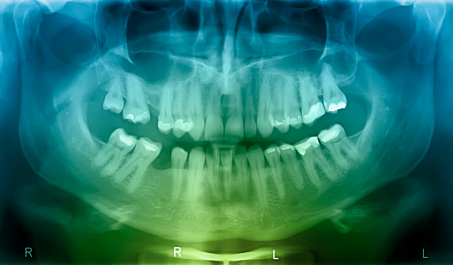
We often hear from patients concerned about the exposure to radiation from dental radiographs, or x-rays.  Naturally, they want to limit anything that may present a health risk to themselves or their children.  New technology, however, means that the amount of radiation received from dental x-rays is extremely limited.   The minimal exposure from a focused x-ray beam is certainly safer than risking an oral problem that may go unnoticed otherwise.  In fact, in some cases, a dental x-ray may even save your life.

Dental x-rays are beneficial because they can detect more than just cavities.  Radiographs are often able to  detect existing problems, but also help prevent developing and future issues that are invisible to the naked eye.

For adults, dental x-rays can reveal hidden decay in between teeth or under an existing filing.   By looking at the structures of the mouth, x-rays can show bone loss that is associated with gum disease, abscesses, cysts and even some tumors.

In children, x-rays are used to monitor tooth decay as well as look at how permanent teeth are developing.  We look for potential issues, checking teeth and their roots along with jaw placement and facial structure.  Wisdom teeth are also watched by using to make sure they aren’t becoming impacted.

The benefits of dental x-rays sharply outweighs any potential health risk.  Today’s equipment, along with standard precautions, make radiographs for you and your family safe and valuable.

Soda vs. Teeth

Soda is bad for your teeth
Good news for teeth: Soda consumption in the U.S. is falling.  For the eighth-straight year soda consumption has decreased to its lowest level since 1987.  Many school districts have banned sugary carbonated beverages from their cafeterias.  Well-known politicians have attempted to limit access to large quantities of soda, and even the national “Let’s Move” campaign is urging kids to drink water instead of soda.

But there’s still a lot of soda being consumed, especially by kids.  Estimates have shown that one in five children consumes as many as four servings of soda every day.  Many teens drink as many as twelve soft drinks a day!

Soda is not only bad for your body, being a major contributor to obesity, but it’s incredibly damaging to your teeth because its war on them hits in two major fronts: acidity and sugar.  You may have seen the popular science experiment where an egg is placed in soda and left overnight.  Not only will the egg be permanently stained, but if left long enough the acid in the soda will completely dissolve the shell.  Just like in the experiment, every time you drink soda it bathes your teeth in acid that eats away the hard enamel protecting your teeth.

This is where the second attack occurs.  Soda is extremely high in sugar, containing more than 4 tablespoons in a 20 ounce bottle.  Sugar feeds the bacteria that cause cavities.   Teeth that are already softened by a constant washing of highly acidic soda are further damaged by this increase in bacteria.

The good news is that it’s never too late to make healthier choices.  Replacing soda with water is not only better for your teeth, but also better for your overall health.  You can also help reduce the effects of the occasional soda by rinsing with water after consumption and using fluoride toothpaste.   Don’t forget to brush two minutes, two times each day and make sure that you are up to date on your dental appointments!

Are Cavities Contagious?

Are Cavities Contagious
 

Are Cavities Contagious? The answer might surprise you

Often parents are shocked to learn that their children develop cavities at a very young age even after diligent oral care.  One of the reasons could be that cavities are actually “contagious”.  It might surprise you that the bacterial cause of tooth decay can be passed along from person to person.

Cavities, are caused by a bacteria known as mutans streptococcus.  This bacteria feeds on the sugar in your mouth and creates an acid that eats away the hard enamel on your teeth.  When it builds, it creates plaque that contains even more acid to eat away at your teeth.

Some individuals tend to have more cavity causing bacteria than others.  So, rather than so-called “soft-teeth” being passed along from parent to child (which is a myth), what’s actually being passed along is most likely a mouth full of bacteria. Studies have shown that 80 percent of all cavities are found in the mouths of only 25 percent of children.

So how can you help stop the spread of cavities?  Here are four practical ways to stop the flow of bacteria in your family:

Avoid sharing eating utensils.

Anyone with children knows how common it is to share food with them from your own plate using your spoon or fork.  Likewise, parents also find themselves cleaning off their child’s spoon with their own mouth or sharing a meal using the same utensils.  Avoiding this habit can go a long way in stopping the flow of bacteria from your mouth to your child’s.

Clean pacifiers in the sink, not your mouth.

Most parents have done this:   Your child drops her pacifier on the ground and you quickly scoop it up and wash it off in your own mouth.  Sounds almost yucky reading it, right?  Having an extra clean one on hand or waiting until you can rinse it off under warm, soapy water is much more sanitary for your child…and you!

Don’t share toothbrushes.

Everyone in your family should have their own toothbrush and they should be changed frequently.  The American Dental Association recommends a new toothbrush every 3-4 months or even sooner as bristles become frayed.  Bacteria from your mouth are transferred to your toothbrush when you brush. You want to avoid passing those bacteria to other family members by not sharing your toothbrush.

Keep a clean mouth.

Inevitably, we don’t live in a sterile environment and even the most diligent among us can sometimes break the “rules”.  So one of the key actions you can take in helping your children not develop cavities is through regularly brushing and flossing yourself.  Not only will you help prevent the spread of bacteria, but you’ll be setting a good example of oral care that hopefully will be “contagious” as well!

How Can I Protect My Child’s Tooth Enamel? Here Are 5 Sure-Fire Steps.

Water to protect tooth enamel
 

The first line of protection for your child’s teeth is the enamel, which is the white, visible part of the tooth.  It’s also hardest substance in the human body, and yet it takes a lot of abuse.  Enamel can crack, chip and wear away.  What steps can you take to protect your child’s enamel?

Use a soft toothbrush.  While we may be tempted to use a toothbrush with hard bristles, thinking that a stiff bristle will be better and cleaning teeth, the best choice is one that provides more gentle care.  Additionally, children often use more force than needed when brushing their teeth.  This can be damaging to sensitive gum tissue and only serves to wear down precious enamel.

Limit starchy foods.  While we all understand that certain starchy foods like potato chips and french fries aren’t always the healthiest choices, we don’t often associate these foods as being bad for teeth.  Interestingly, starch turns to sugar so quickly that it raises blood glucose levels even faster than table sugar.  The sugar produced by starchy foods feeds bacteria that act as microscopic jack-hammers on your child’s enamel.

Don’t forget the cheese.  Cheese truly is a dental powerhouse.  Dairy neutralizes acid, contains calcium and a protein called casein which acts as an enamel protector.  Cheese is a great choice for an afterschool snack.

Drink water after meals.  Drinking water shortly after eating is an excellent way to quickly wash away some of the food that lingers on and between the teeth.  Even having children simply rinse their mouths with water after meals has been shown to be an effective way to protect enamel.

Avoid “whitening” toothpastes.  Toothpaste made specifically for children if often the best choice when deciding what they should brush with.  Not only are flavors often more kid friendly, but they generally don’t carry the harsh abrasives that many whitening toothpastes have.  These abrasives can act line sandpaper by wearing down the enamel on young teeth.  Remember, any toothpaste you choose should always carry the ADA’s seal of approval.

Five Fantastic Flossing Facts

 
Five Flossing Facts from a pediatric dentist

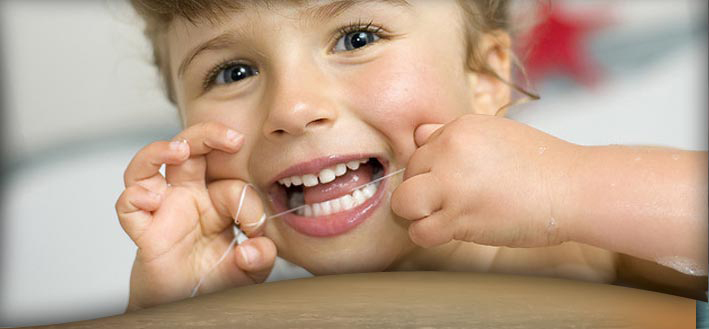
Flossing removes plaque between the teeth and gumline where a toothbrush can’t reach, in fact some sources indicate that floss does up to 40% of the work needed to remove plaque from your teeth.  Unfortunately it’s also one of the most overlooked practices in caring for our teeth.   You should floss your child’s teeth daily until he or she can do it alone.  Getting children in the habit of daily flossing can yield a lifetime of benefits.

Here are five flossing facts to encourage your child (and you!) to start a regular flossing routine:

  • Children tend to get better results by using flat, wide dental tape because of the larger spaces between their teeth, however you should choose floss based on what works for you and your child.
  • Flossing should begin when any two teeth touch.
  • Use around 15-18 inches of floss, wrapped around your index fingers and held tightly but gently.  Children who find it difficult to use this method often benefit from using a flosser designed just for small hands
  • Be gentle and avoid snapping floss between teeth because it can damage sensitive gum tissue.
  • Floss both sides of the tooth, even when another tooth is missing on one side.
Latest News from Children's Dental Specialties